Cloud Coding Agents
Ephemeral VM Runtimes as the Operational Unit Teams Should Demand From Any Managed Agent Platform
A practical checklist for judging cloud agent runtimes by isolation, not model.
Dmitri Havel · November 23, 2026 · 9 min read
Section
19 stories in Cloud Coding Agents
A practical checklist for judging cloud agent runtimes by isolation, not model.
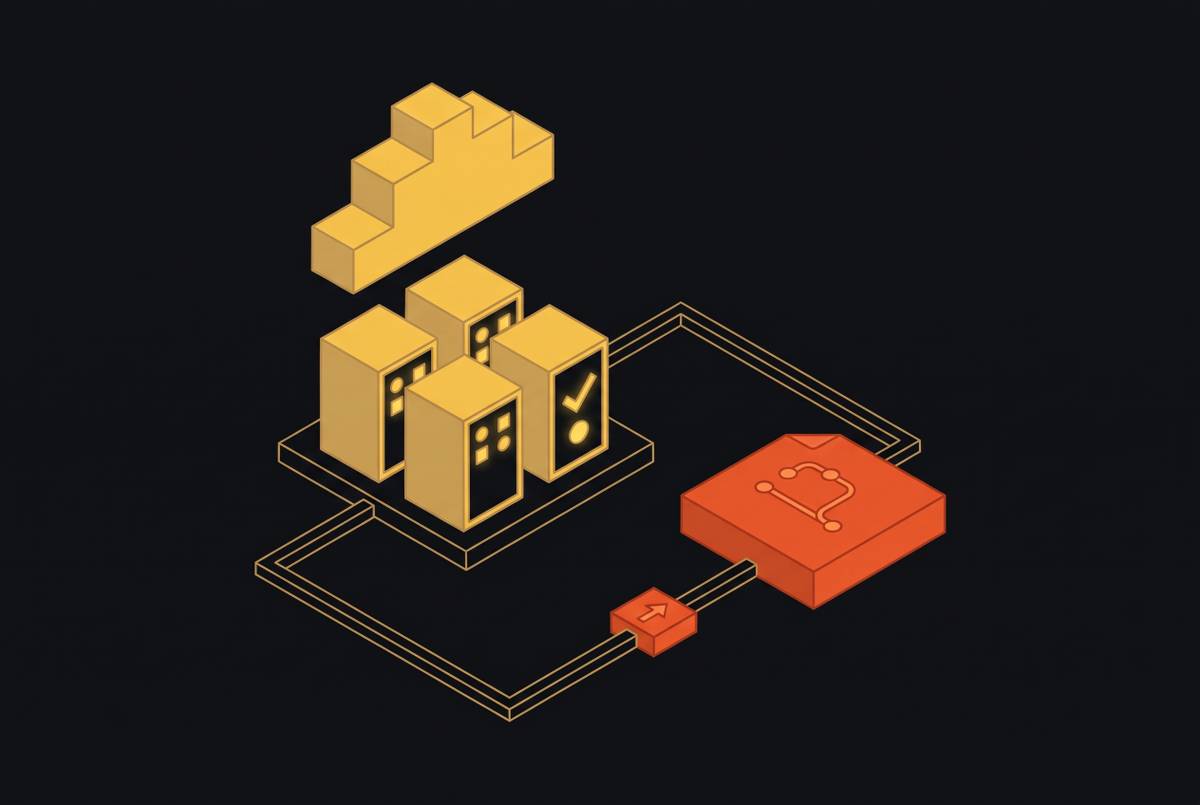
Cloud sessions run in isolated VMs and hand back reviewable branches.
Label an issue, and Claude Code opens a reviewable pull request.
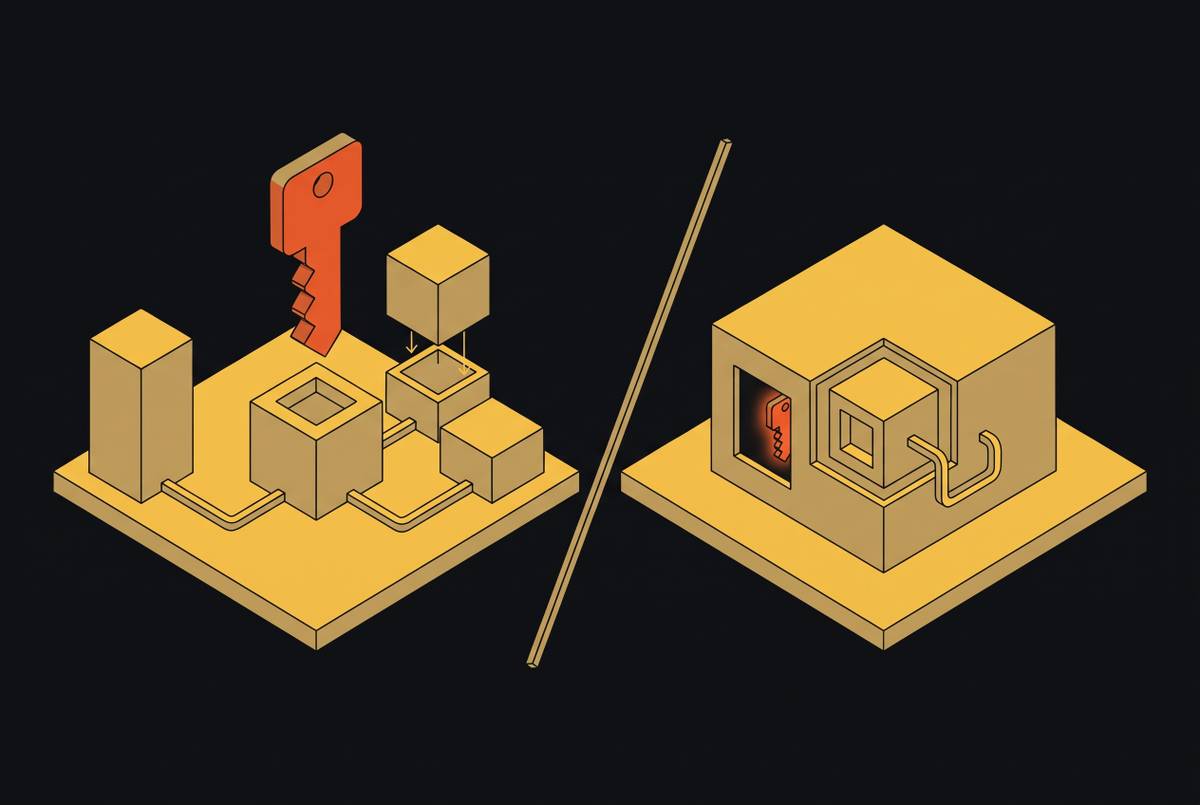
Where an agent's shell runs, and who owns that boundary, matters most.
A comparison of Slack Code, Copilot, Claude Code, and Cursor setups.
Four coding agents deliver the same pull request, but they differ in how they run.
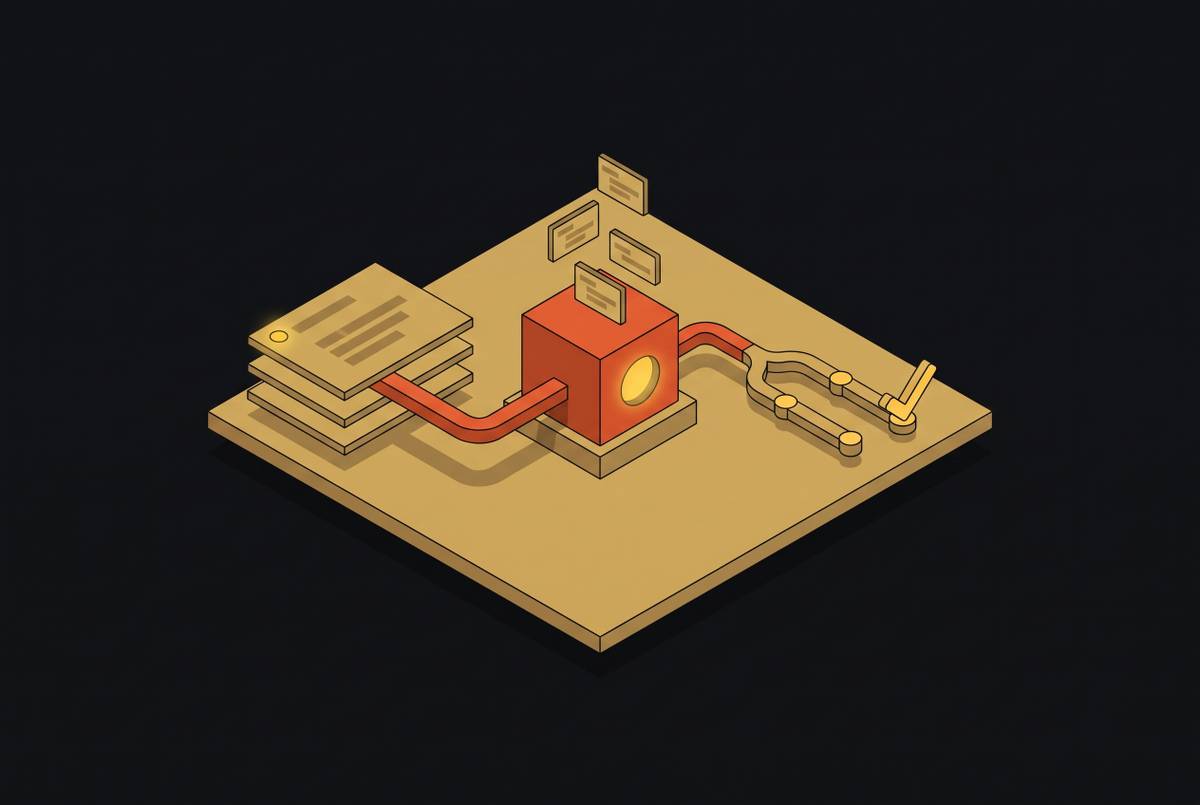
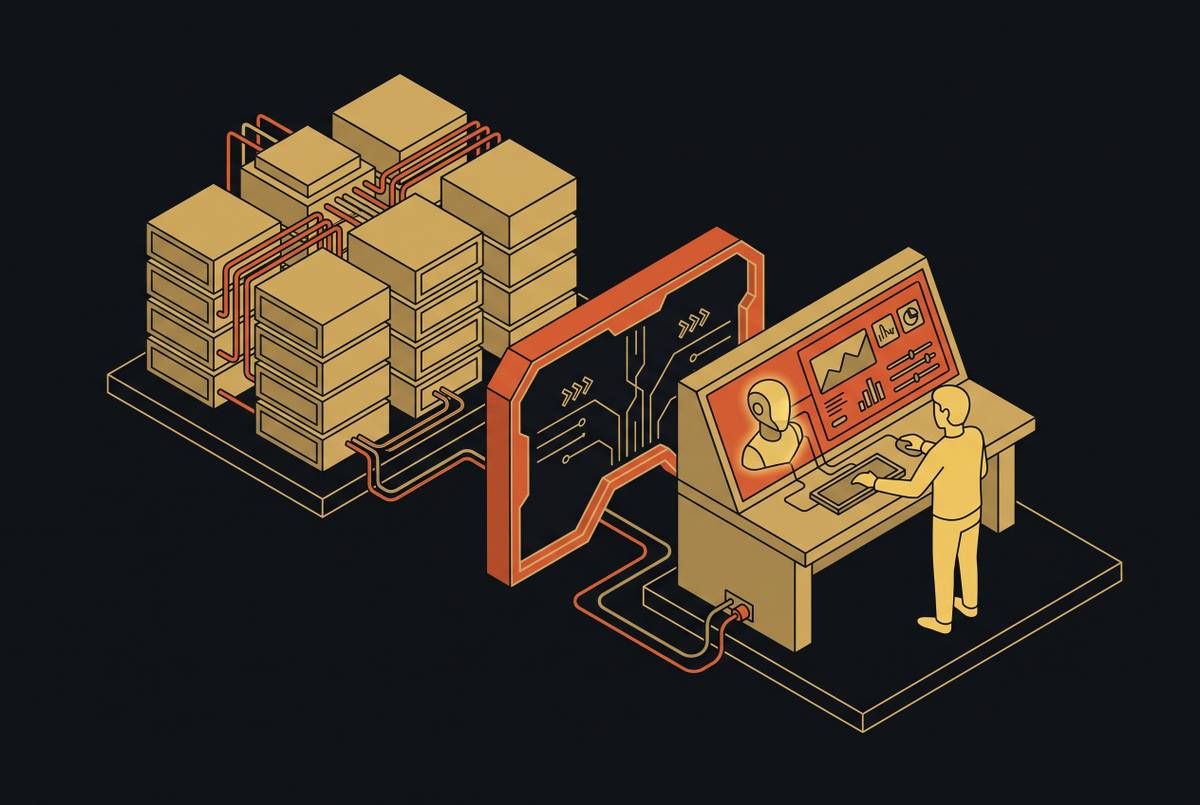
Agents need persistent VMs and approval gates, with CI left to verify branches.
Build governance into agent dispatch to scale beyond pilot teams.
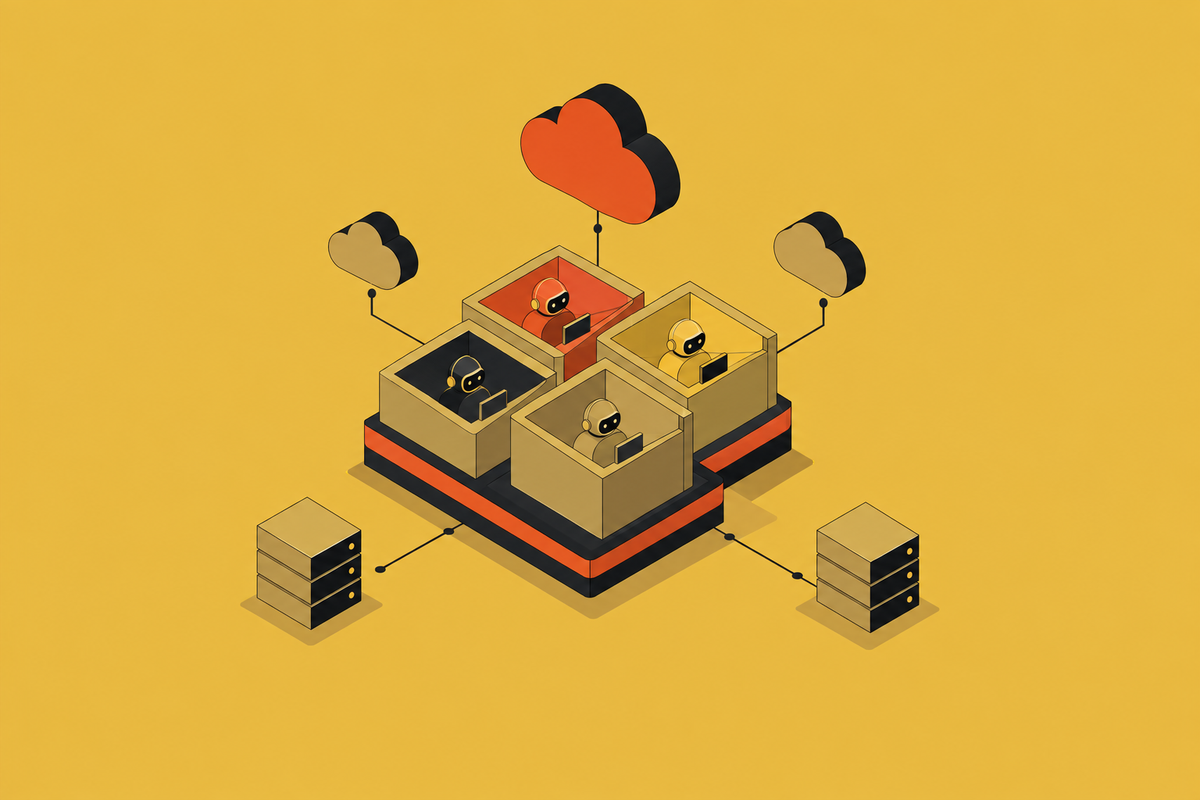
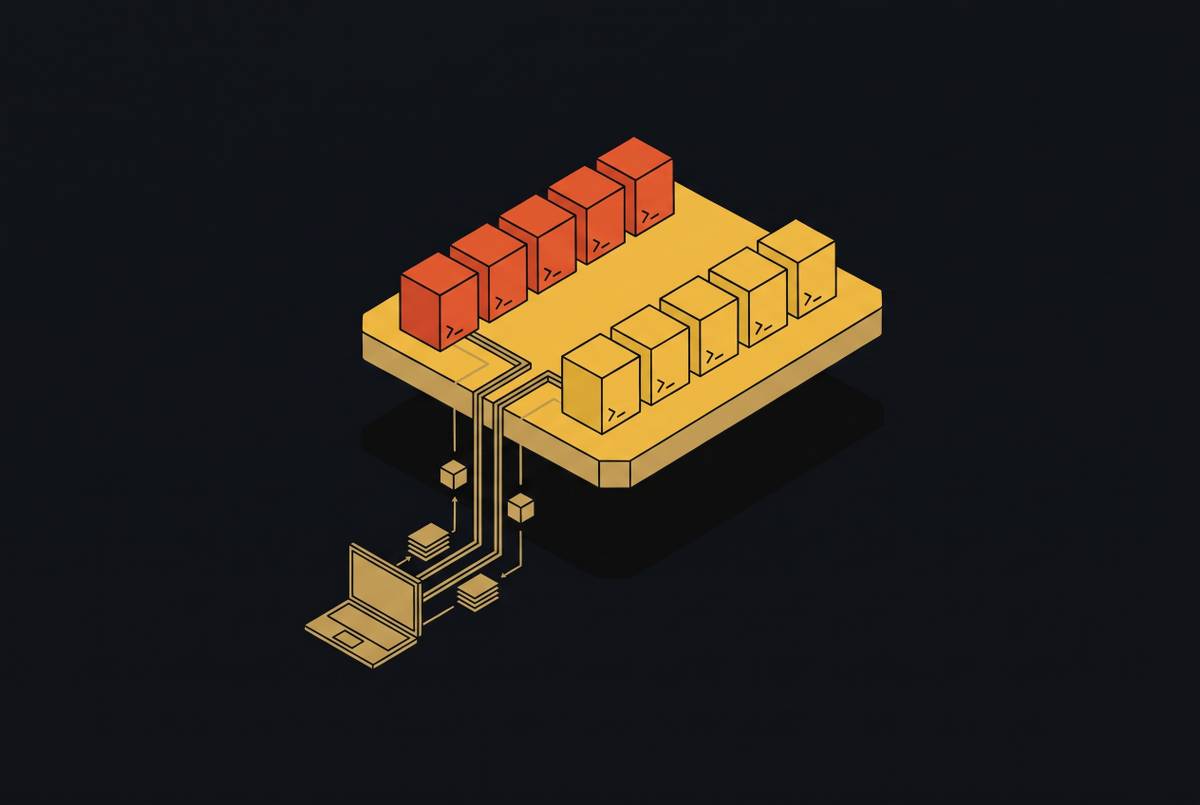
VM isolation prevents agent collisions and keeps credentials safe across concurrent coding sessions.
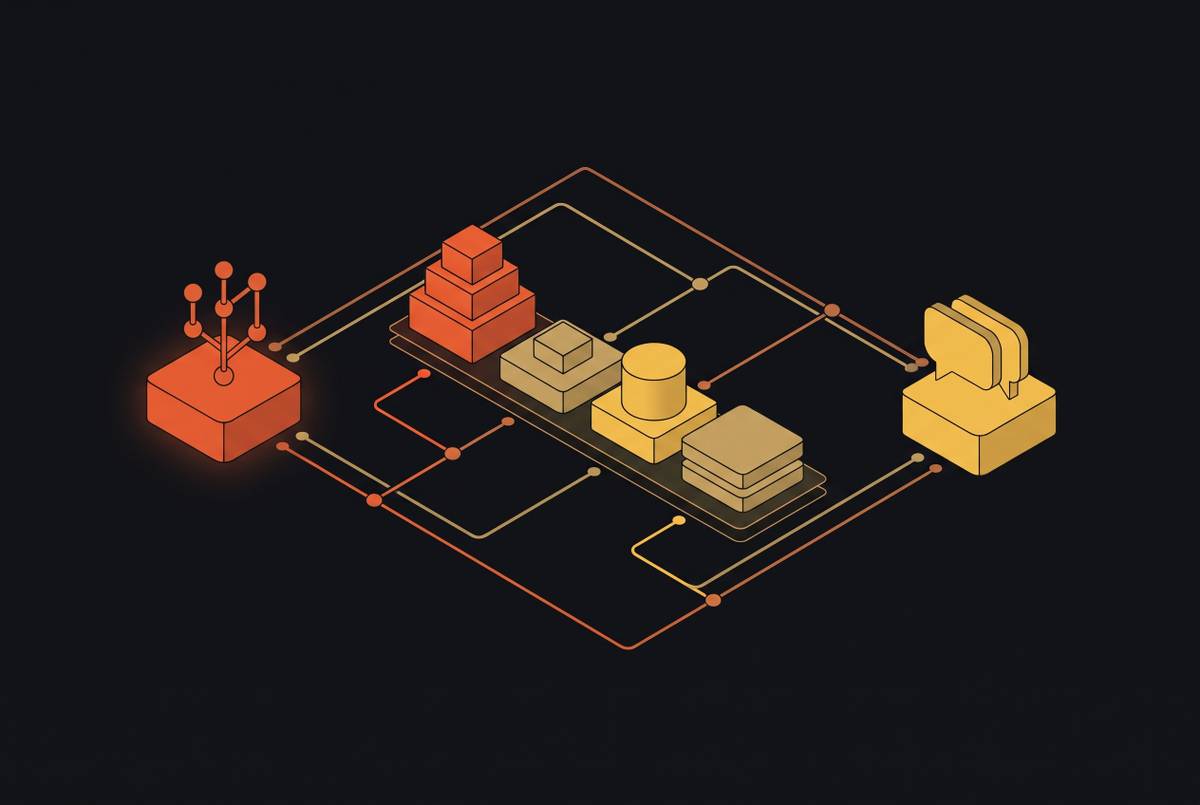
GitHub, Slack, and Linear each provide different context, audience, and governance for agent work.
Isolated VMs eliminate the infrastructure work of managing shared agent execution environments.
Claude Code excels at preserving context across complex, multi-file tasks.
Teams must choose between vendor control and direct model access as agents move beyond autocomplete.
Self-hosted agents keep code and secrets on-premises while delegating intelligence to the cloud.
Isolated VMs per task protect agent infrastructure from model-generated code.
Match routing to task structure, not preference—copilots steer, agents act alone.
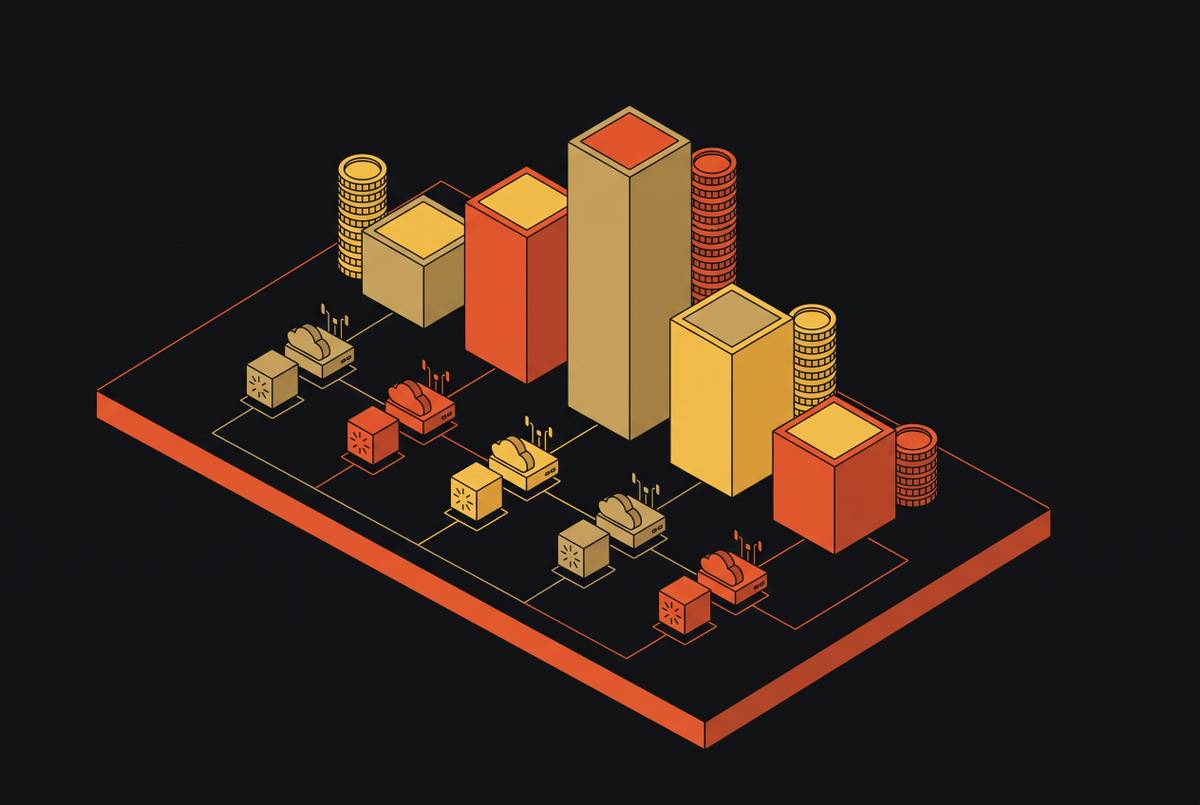
Published token prices hide what coding agents actually cost per completed task.
Production fit depends on environment quality, harness flexibility, and delegation surface.
Claude Code keeps work local and supervised; Codex delegates to the cloud and waits for results.