Ephemeral VM Runtimes as the Operational Unit Teams Should Demand From Any Managed Agent Platform
A practical checklist for judging cloud agent runtimes by isolation, not model.
To run Claude Code in the cloud without managing infrastructure, Anthropic offers Claude Code on the web in isolated, managed VMs. Third-party managed platforms also let teams run coding agents in the cloud. The decisive criterion is not the agent harness but the runtime boundary. Teams should demand an isolated, disposable VM per task, with controlled access, reviewable outputs, and state preservation where the workload needs it.
Why the runtime boundary is the right frame for evaluating agent platforms
When an agent runs npm install, executes a migration, or clones a repository, it uses real files, permissions, and network access. Claude Code’s documentation says that commands can read credential files such as ~/.ssh and ~/.aws/credentials unless that access is blocked, even when sandboxing is on. The sandbox is off by default. A command generated by a model does not become harmless because a developer approved the tool that generated it.
Model quality determines how well an agent reasons, while its execution environment determines what its mistakes can reach. Managed platforms converge on isolated, disposable compute, but they implement that boundary differently. The first evaluation therefore concerns what separates the agent from its host and what happens when its task ends.
The isolation spectrum and why not all sandboxes are equivalent
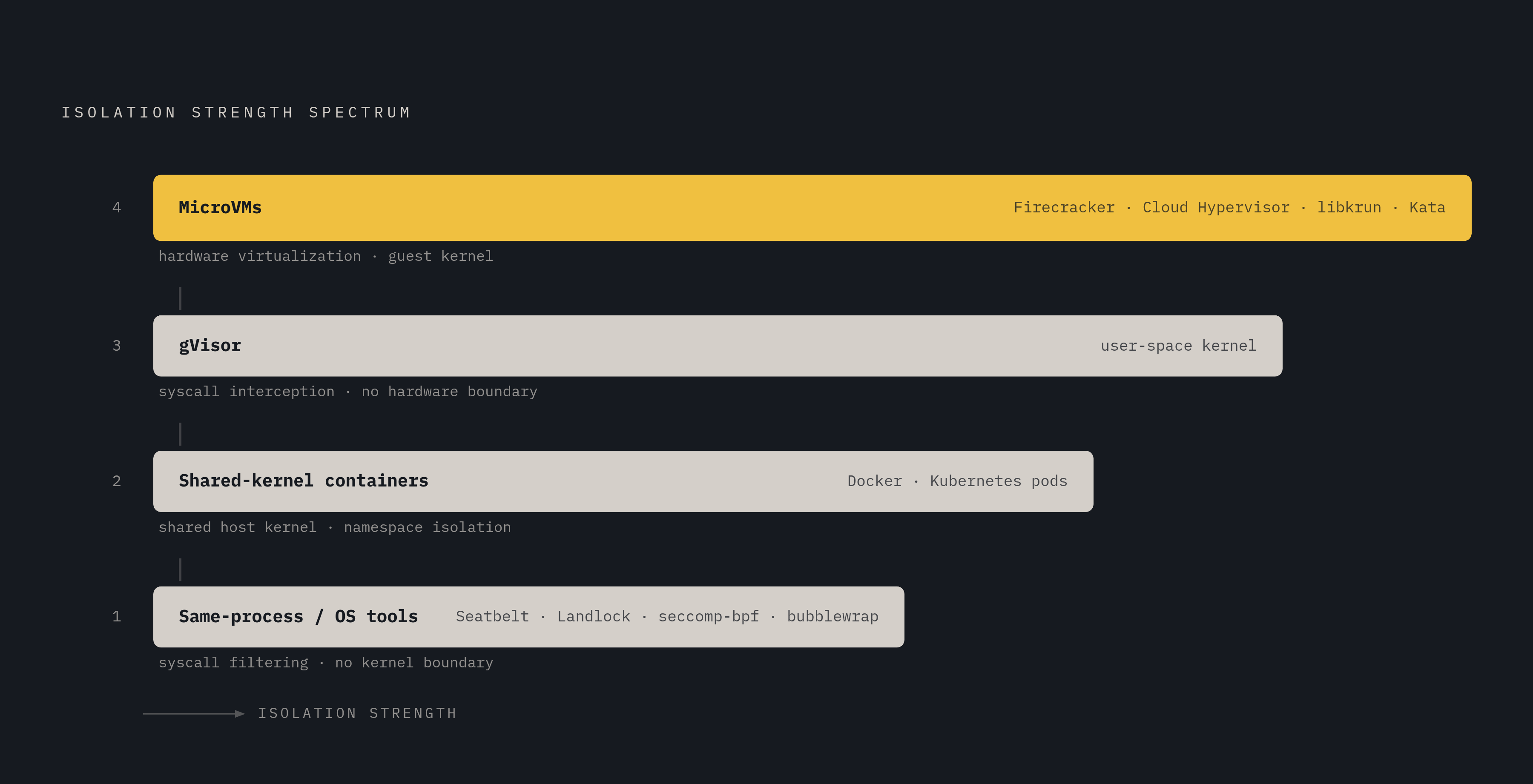
A sandbox is not a single security mechanism. OS-level tools such as macOS Seatbelt, Linux Landlock, seccomp-bpf, and bubblewrap constrain a normal host process. Anthropic’s Sandbox Runtime uses Seatbelt on macOS and bubblewrap on Linux, while Codex CLI uses Seatbelt and Landlock on those systems. These approaches have low overhead but do not give each workload a separate guest kernel.
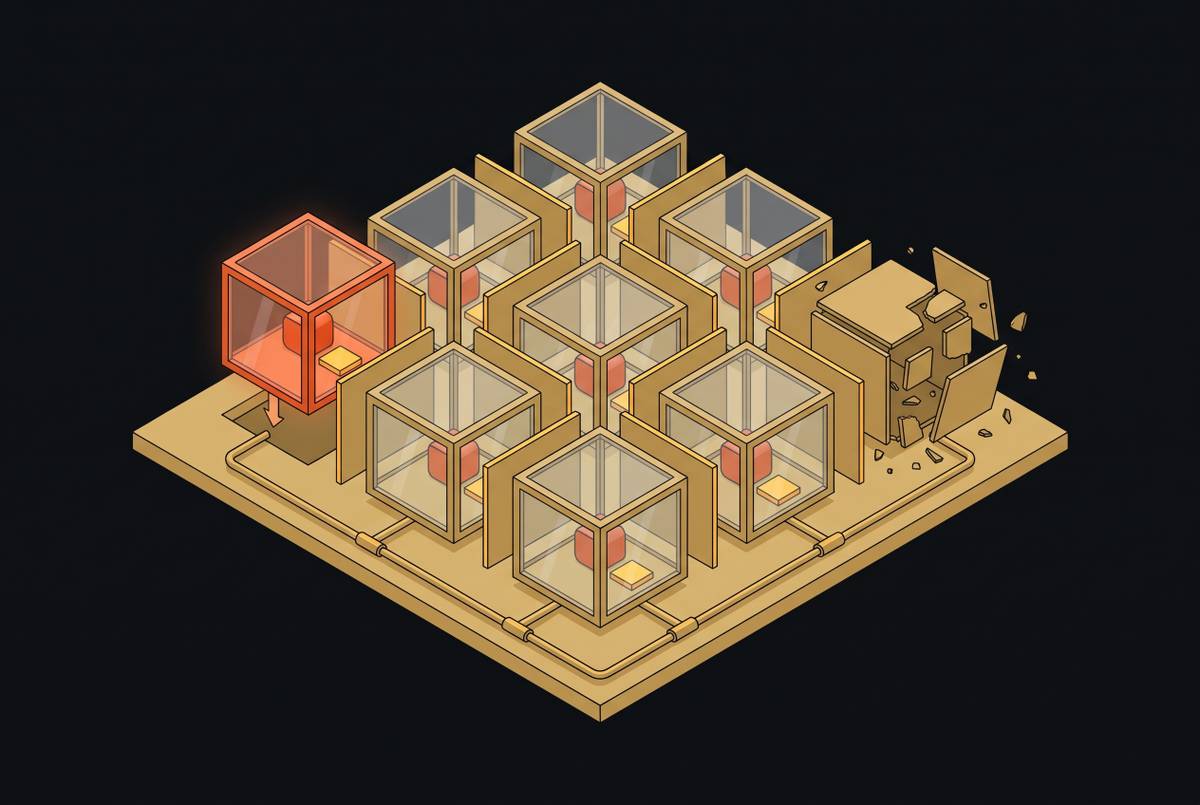
Shared-kernel containers, including Docker/OCI containers and Kubernetes pods, separate processes while retaining the host kernel. That is a weaker boundary than gVisor, whose user-space kernel intercepts system calls, mediating access to the host. MicroVM runtimes go further. Firecracker, Cloud Hypervisor, libkrun, and Kata Containers put workloads behind a hardware virtualization boundary with their own guest kernels.
For untrusted code, these distinctions change the reachable attack surface. A plain container is not equivalent to a microVM, and same-process execution provides less separation still. However, isolation alone does not stop prompt injection or excessive agency, represented by OWASP LLM01 and LLM03. Egress controls and credential hygiene must constrain what an agent can do through otherwise legitimate access.
Ephemeral versus persistent: what the distinction actually means for agent workloads
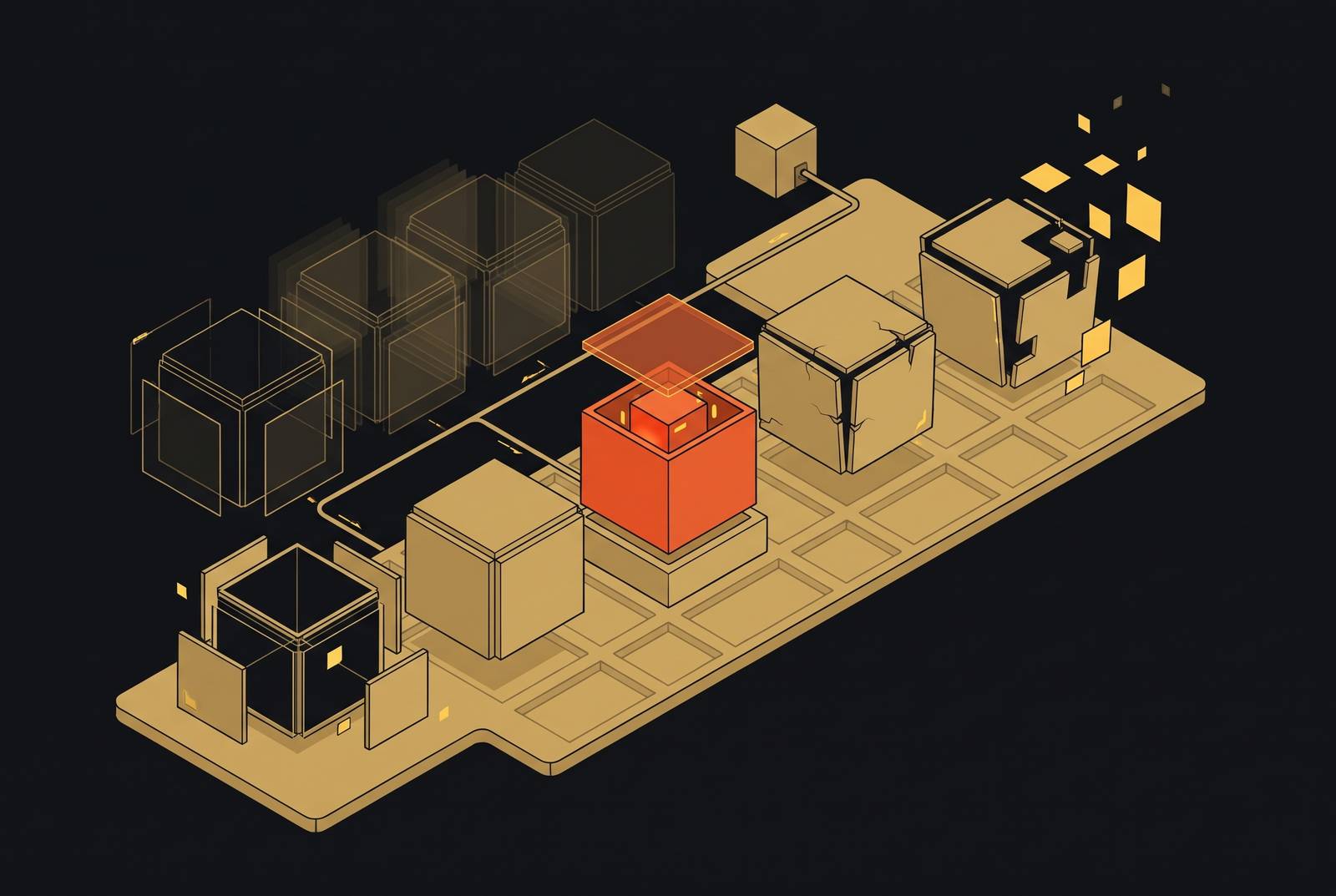
An ephemeral environment boots from an image, runs code, captures output, and is destroyed without preserving state between invocations. Stateless work fits this model well. A test suite on a diff or a one-off script may need nothing from a previous run. A coding agent that repeatedly clones a repository, installs dependencies, and starts a development server faces a different cost.
GitLab Engineering measured a standard Chromium repository clone taking well over an hour. Repeating setup can dominate the useful work. Persistence avoids that repetition by preserving the filesystem, memory, and running processes for the next invocation.
Modern platforms use snapshots and pause/resume to keep state without having to keep idle VMs running. E2B, Vercel Sandbox, Daytona, and Fly.io Sprites expose variants of this approach. The task remains the logical isolation unit. State can survive between its turns without making a shared, indefinitely persistent environment the default for unrelated work.
The cold-start question and why it rarely decides the outcome
Figures that vendors reported in 2026 suggest that starting a VM is rarely the delay that matters most. Daytona claims very fast creation through a warm pool, while Blaxel claims near-instant resume from standby. Vercel reports millisecond-range starts, and Fly.io describes fast checkpoint and restore.
These vendor claims lack independent benchmark verification. Their practical significance is that a frontier-model round trip already takes seconds, so sub-second creation is generally fast enough for an agent workflow. Reconstructing a repository and its dependencies can take much longer. Teams should therefore look more closely at the strength of isolation, network restrictions, and access to the data they need than at small differences in boot time.
The five dimensions that actually determine whether a runtime is production-grade
A request to buy a platform or a review of one should set requirements for five dimensions. The first is the isolation boundary. For untrusted, model-generated code at production scale, a microVM provides hardware-enforced separation with its own guest kernel, filesystem, and network namespace. Shared-kernel process isolation does not provide the same protection against kernel exploits or privilege escalation.
Multi-step agents need pause/resume or snapshots, together with a defined, configurable maximum session duration. Egress control is a separate requirement. Default-deny outbound networking with an allow-list limits exfiltration, arbitrary endpoint access, and installation of attacker-controlled packages. Repository-scoped file access and test service accounts further constrain a bad run’s effects.
Data-plane access governs what work an agent can do with production resources. A public-internet-only sandbox cannot necessarily verify a schema migration against a staging database inside a VPC. Credential-hiding gateways or Universal Cloud Identity models provide scoped, short-lived access without placing long-lived keys inside the environment. Deployment location completes the framework. Vendor hosting, bring-your-own-cloud deployment, and self-hosting differ in how much teams must manage and how well they keep data apart.
How to run Claude Code in the cloud across the sandbox platform landscape
Anthropic’s official cloud option is Claude Code on the web. As of August 2026, it is in research preview for Pro, Max, and Team plans, with Enterprise access through premium seats or Chat + Claude Code seats. Each session runs in an isolated VM on Anthropic-managed infrastructure. Sessions can run in parallel and move into a local terminal through claude --teleport. The local Sandbox Runtime provides a different isolation boundary on the host.
Third-party sandbox APIs expose execution environments for an agent’s inner loop. E2B provides Firecracker microVMs, Python/JS SDKs, pause/resume, and sessions up to 24 hours on Pro, with self-hosting and Enterprise BYOC options. Vercel uses Firecracker, filesystem snapshots, and Active CPU billing that excludes waiting for model responses. Modal offers gVisor on KVM, GPU support, automatic shutdown, and configurable session timeouts. Their isolation and session models differ materially.
Other services emphasize access and state handling. Runloop Devboxes provides VM technology, snapshots, network policies, and credential-hiding gateways. Control Plane combines Kata microVMs with Universal Cloud Identity and Cloud Wormhole for private-network access, without an arbitrary execution timeout. Fly.io Sprites combines Firecracker with persistent 100 GB NVMe storage, checkpoint/restore, and scale-to-zero. Cloudflare Sandbox SDK instead uses Linux containers and Dynamic Workers, with credentials held by the controlling Worker.
Full-environment validation needs a broader kind of deployment. Northflank Sandboxes uses Kata Containers on Kubernetes and supports BYOC, while its Cloud Harnesses provides isolated environments for Claude Code, Codex, Cursor, OpenCode, and Pi. This category covers work with services, databases, and VPC resources. Teams can also deploy Self-hosted E2B or Daytona’s AGPL core, though these differ from the managed-infrastructure options. The five requirements distinguish these options without assuming that every platform documents equivalent controls.
Parallel agent execution and why per-task VM isolation is what makes it safe
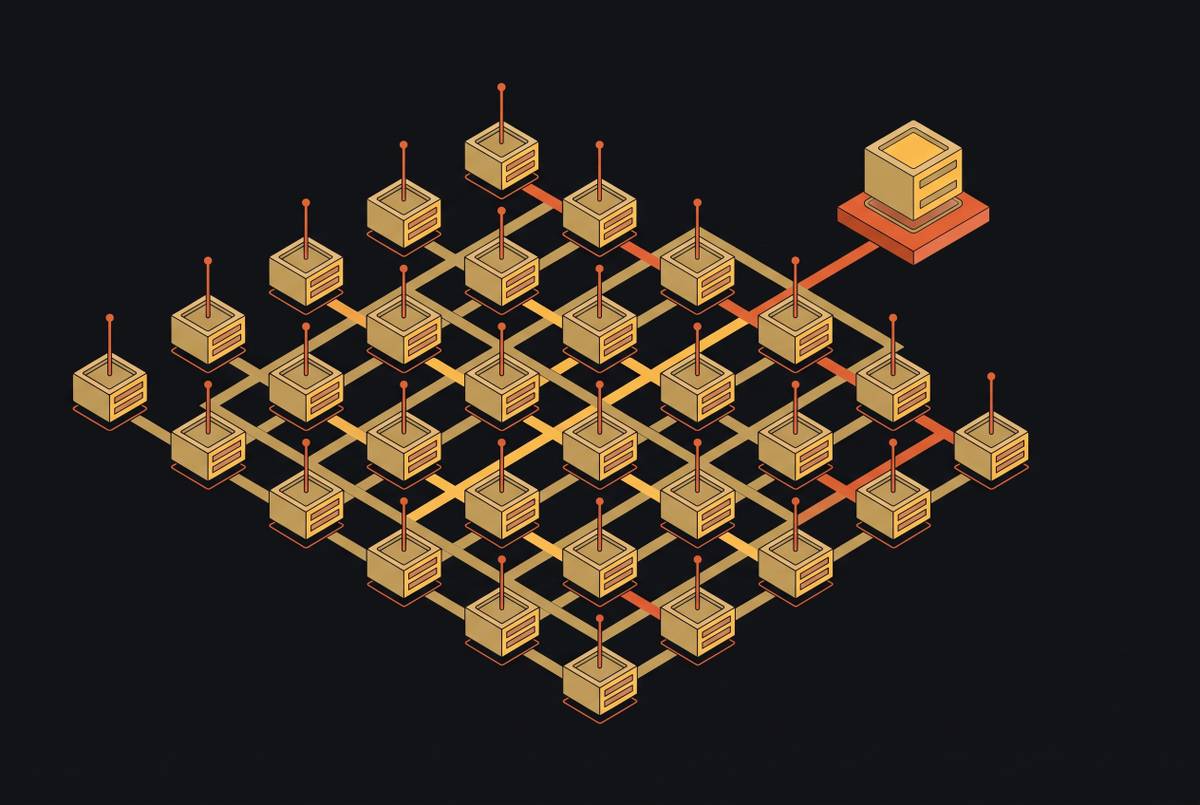
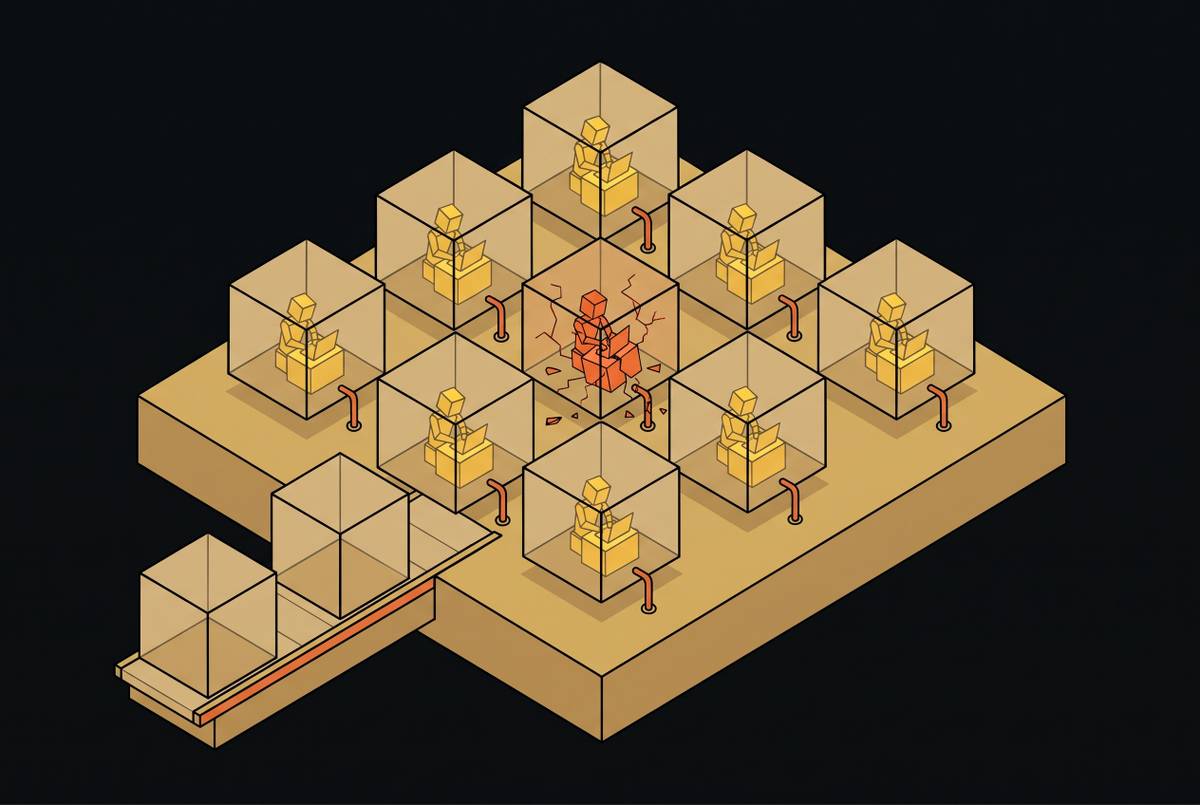
Parallel execution lets agents work on a queue of issues, scheduled jobs, or webhook events in separate runs. Each needs its own working environment. Without that separation, one agent’s writes can corrupt another’s checkout, and shared credentials can broaden access beyond the assigned task. Per-task VM isolation makes concurrency an operational model rather than a source of conflicts.
Cursor’s documentation describes parallel cloud agents, each in an isolated VM, launched through its web interface, app, integrations, or API. Cognition’s documentation describes Devin splitting work across managed agents in separate VMs, with a coordinator that scopes work, monitors progress, resolves conflicts, and compiles results. These are distinct implementations of the same architecture. Independent execution makes each resulting pull request attributable to a bounded run.
What production alert triage and PR review reveal about runtime requirements
An investigative review agent browses related files, examines git history, checks Sentry errors, and verifies feature flags. Team-specific rules can run as GitHub check runs that block merges. The runtime therefore needs access to approved services, including private resources, with egress controls that block access to anything beyond them.
Alert triage imposes a parallel requirement. An agent gathers evidence from Sentry or Datadog through MCP, traces the codebase, and attempts a fix under team guidance. Linear reports that its internal workflow resolves roughly 30% of incoming bug reports, mostly on the first pass. Supporting that workflow requires simultaneous access to observability tools and source code without credentials persisting inside the VM after the session ends.
Both workflows also expose weaknesses in unattended execution. A PR opening or an alert firing replaces the developer at the keyboard. Interactive setup, unsuitable idle timeouts, or a lack of webhook-driven invocation can therefore make an otherwise capable runtime unusable. The output must remain reviewable, whether it is a check run, a proposed fix, or an investigative comment.
Integration surfaces and the least-privilege security model that makes them safe
Integrations connect the runtime to where work starts and finishes. Slack brings in task descriptions, mentions, and status updates, while Linear brings in work from issues. GitHub and GitLab provide repository-native review and change workflows. Sentry supplies alert triggers and error context. Each connection extends the agent’s authority, so the integration model must be evaluated as an access-control system.
The recommended token model uses fine-grained PATs or GitHub App installations scoped to specific repositories and narrow permissions. Those permissions allow contents read and pull requests read/write, but no admin access or secrets write. Each surface gets its own scoped credential. Credentials stay outside the VM, and the credential-hiding gateway pattern gives access for the length of the task.
Agents should investigate and propose through draft pull requests, while protected main branches and required human review retain the team’s authority to merge. No agent-initiated merges belong in this model.
Enterprise compliance requirements and what they demand from the runtime layer
The baseline requirements include SOC 2 Type II certification, SAML SSO, SCIM provisioning, administrative policy controls, and contractual enterprise support commitments. Training-data policies must offer exclusion of customer code. VPC deployment or self-hosting may also be necessary for stronger data isolation.
GitHub Copilot Enterprise documents SOC 2 Type II and ISO 27001, and explicitly commits not to use customer code for model training. Amazon Q Developer Pro documents SOC 2, ISO 27001, and FedRAMP High authorization within the AWS compliance framework. Its HIPAA status is different. Amazon Q Developer is not HIPAA eligible, and ePHI should not be present in Developer environments.
The runtime boundary makes the audit requirement tractable. Logs need to identify what each agent ran, in which VM, against which repository, and what it produced. A VM per task ties those records to a single task. Shared persistent environments blur attribution and make reconstruction harder, even when the platform offers extensive logging.
Using ephemeral VM runtime as the first criterion when evaluating any agent platform
A team evaluating a vendor should begin with seven questions expressed as explicit requirements for an answer. First, the vendor must name the isolation primitive and whether it gives each workload its own kernel. Second, it must say whether tasks that run in parallel can reach one another’s filesystems or credentials. Third, it must describe teardown, snapshots, and pause/resume across turns. These answers set the terms for how tasks will run before the vendor shows the harness.
Fourth, the vendor must explain default-deny egress and how credentials stay outside the VM while access remains task-scoped. Fifth, it must say where the platform is deployed and what data leaves the team’s network. Sixth, it must describe the per-task, per-VM, and per-PR audit records and how long it keeps them. Seventh, it must document SOC 2 Type II, SAML SSO, SCIM, and code-training exclusions. Each answer should be specific enough to evaluate.
The harness should remain replaceable without changing the operating model. Claude Code, Codex, Cursor, or OpenCode should not force a team to surrender its runtime controls or adopt a single model account. Vendor conversations can then focus on a concrete acceptance test. The platform must support isolated execution, the workload’s required state and access, and a human-reviewed path from agent output to production code.