Org-Scale Agent Dispatch Without Laptops or Platform Engineers in the Loop
Build governance into agent dispatch to scale beyond pilot teams.
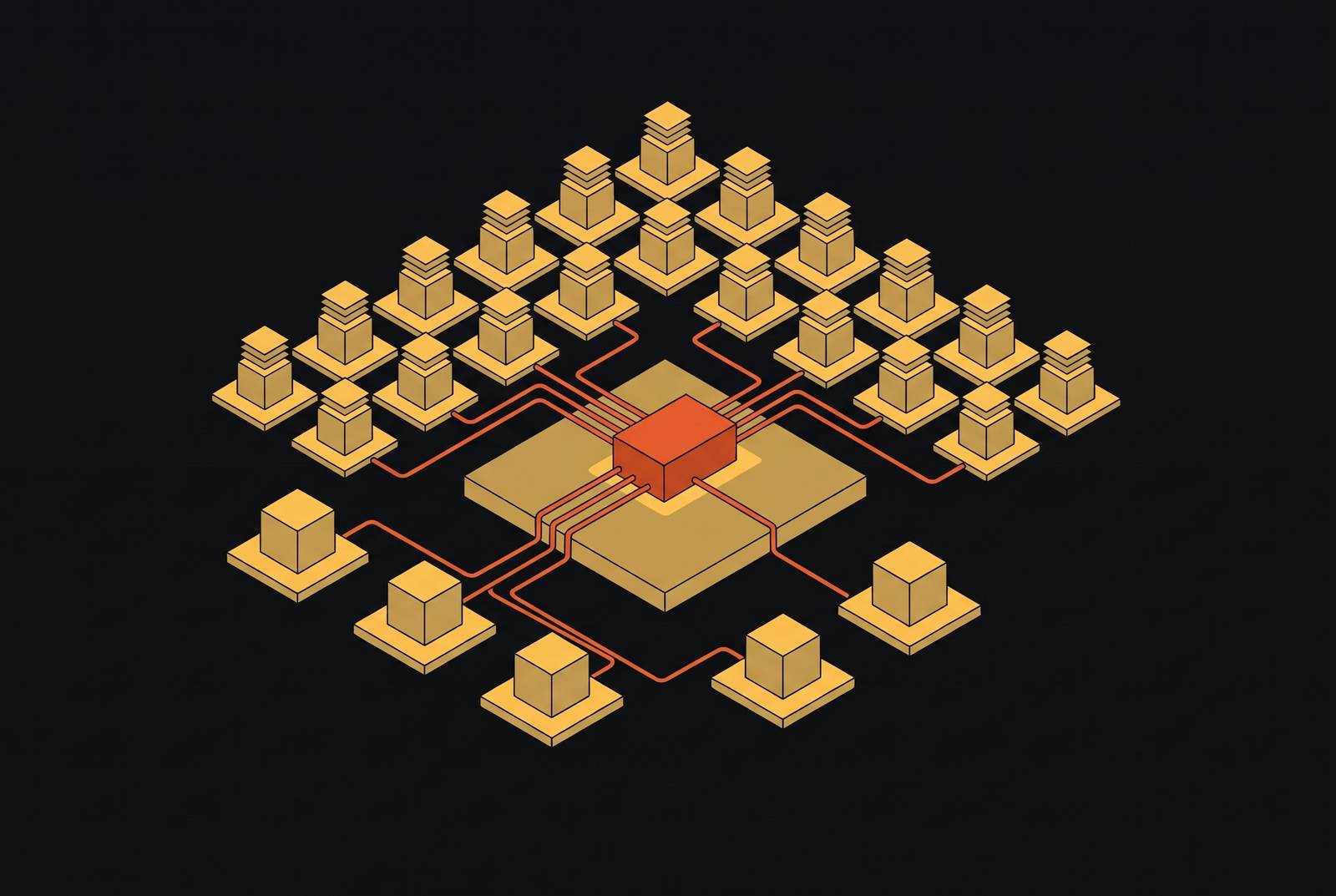
To run Claude Code in the cloud without managing infrastructure for each task, use managed, isolated environments preloaded with the team’s dependencies and tooling. Connect dispatch to existing issues, messages, and repository events, with identity, permissions, and review controls enforced from the start. Org-scale agent execution depends on this governed dispatch layer.
Why the laptop-and-platform-engineer model breaks at org scale
Local agent execution binds throughput to an engineer’s machine, configuration, and working context. In the one-engineer, one-session model, parallel work requires more execution capacity. The laptop becomes an operational dependency. Meanwhile, teams must get approval from platform engineers to set up environments, access credentials, and configure sandboxes. Each new use case needs another ticket before work can begin.
Full-loop agents make that dependency more expensive because they do more than suggest text. An agent that reads an issue, edits files, runs tests, and opens a pull request needs a configured environment that persists through the task. Autocomplete did not need the same setup to run. As agents take on longer sequences of work, provisioning and troubleshooting compete with specification and review for engineering time. The operating model therefore constrains how much work engineers can delegate, even when the agent can produce useful code.
Why most agent pilots stall before they reach the whole engineering org
That constraint becomes a deployment blocker when a pilot expands beyond its initial users. A tool can write strong code even as the program around it fails an access review because it lacks identity controls. Compliance teams can block general availability when audit logs do not reach the enterprise SIEM. Security can find another gap when agent pull requests bypass policy gates. Code quality does not resolve those failures.
A dedicated program owner makes closing those gaps before the program grows an explicit responsibility, while diffuse ownership leaves infrastructure decisions scattered across teams. Choosing Claude Code, OpenAI Codex, or Cursor is therefore not the same as deciding how the organization will operate agents. Tool selection answers only part of the question. What is missing is a dispatch layer with governance built in from the start, so broader access does not depend on exceptions negotiated after the pilot succeeds.
How to run Claude Code in the cloud with isolated execution environments
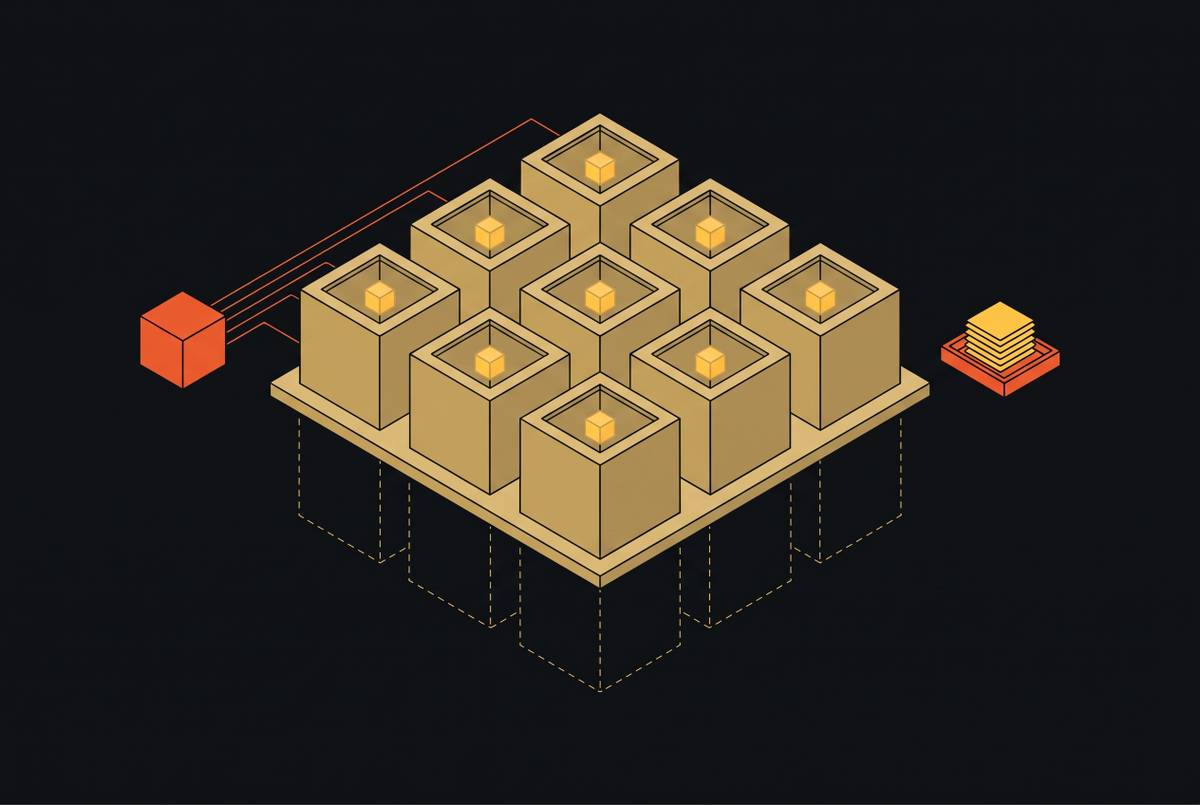
Replacing the laptop means giving each agent run dedicated, preconfigured, network-isolated compute. The production baseline is a dedicated kernel per agent workload, filesystem restrictions, and no access to adjacent sessions or host infrastructure. A shared container is not that baseline. Preloading the team’s dependencies and tooling makes the environment ready for work without requiring a platform engineer to configure each task. The managed execution layer, rather than the individual developer, supplies the operating surface.
Codex CLI, for example, provides OS-level isolation with filesystem restrictions and networking disabled by default. That concrete security property still requires management of the surrounding infrastructure. The same distinction applies when choosing where to run Claude Code. The harness performs the coding work, while the execution layer must provide the required isolation.
Teams still need to watch for software vulnerabilities when they use managed isolation. Firecracker’s 2026 CVEs included CVE-2026-5747, an out-of-bounds write in virtio-pci, and CVE-2026-1386, a jailer symlink host-file overwrite involving host-local privilege abuse. Teams that self-host Firecracker should audit and pin their versions. These vulnerabilities support the case for a managed isolation layer over a do-it-yourself deployment.
The seven controls that separate a scalable dispatch layer from a pilot that gets shut down
Engineering leaders should treat seven controls as production exit criteria to meet before general availability. First, SSO integration must map every agent session to a named human identity so offboarding and access reviews remain enforceable. Second, SIEM-connected audit logging must cover file access, shell commands, pull request creation, and API calls. Retention must meet the applicable compliance framework. SOC 2 Type II auditors need evidence of consistent controls across the audit period.
Third, pre-receive hooks or required status checks must run secret scanning on agent pull requests so teams do not have to rely on the agent to avoid committing credentials. Fourth, agent pull requests must pass the same policy gates as human work, including owner review, coverage thresholds, lint, and SAST. Pilot exemptions defeat that requirement. Each agent pull request also needs the tool and session ID, allowing security to trace a change back to its originating session in the SIEM.
Fifth, sandbox isolation must protect workloads that run shell commands, install packages, or make network requests. Misconfigured shared infrastructure can expose host systems or other teams’ data. Sixth, license governance needs a scanning mechanism and remediation process for generated snippets that match open-source licensed material before merge. Seventh, incident response runbooks must spell out what happens when an agent run causes a problem. Without those procedures, the first incident can freeze the program.
All seven belong in the production readiness decision. Identity and logging belong to the platform layer rather than depending on a particular agent tool, because the organization needs consistent controls across harnesses. These controls also reinforce one another. A pull request label does little to help an investigation without a matching session log, and that log needs identity mapping to show who is accountable.
Choosing which agent harness runs in those environments
Once the execution layer is governed, teams can select harnesses across vendors by how each fits the execution surface, task type, and review workflow. Benchmark scores are not sufficient on their own. Anthropic has characterized benchmark margins as becoming a less reliable guide to real-world differences. A harness that integrates cleanly into dispatch and review can therefore be more useful than one chosen solely for its ranking.
Codex spans an app, cloud delegation, an open-source CLI, IDE extensions, and the Agents API, which entered public beta in September 2026. Its breadth makes it relevant to teams deploying across several surfaces with governance controls. As of September 2026, GPT-6 Sol was its bundled default, with GPT-6 Astra available for harder tasks and GPT-6 Luna at the lower-cost tier. Opencode offers a different kind of flexibility. It is open-source, MIT-licensed, and written in TypeScript, connecting 75+ providers plus local models without supplying a model of its own.
Task specialization offers another basis for comparison. Practitioner communities describe a pattern of Claude Code for architecture and debugging, Cursor for rapid feature development, and Codex for automated workflows and delegation. That pattern is not a universal ranking. With a harness-agnostic dispatch layer, teams can run these different workloads without rebuilding the execution model each time they choose a different model or tool. The operating architecture remains the durable choice across harnesses.
How workflow-native triggers replace the platform engineer as the dispatch layer
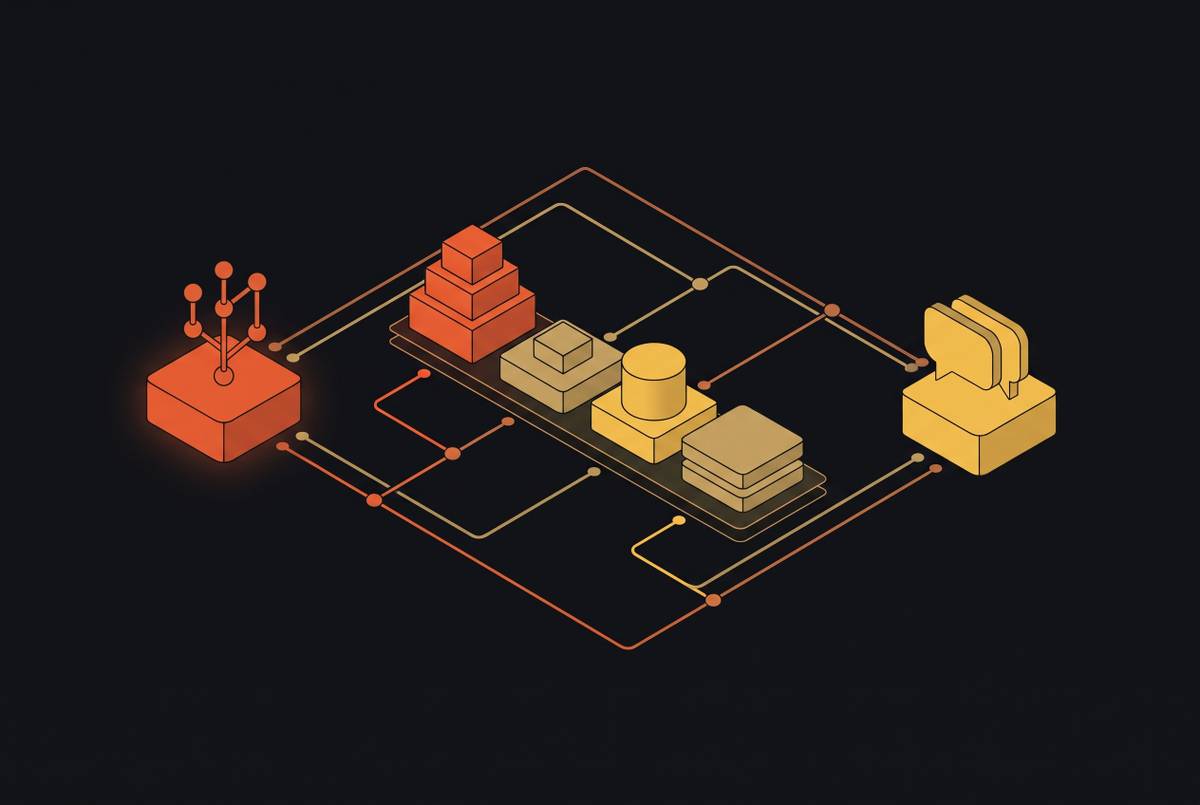
An issue tracker, Slack thread, or GitHub event can trigger an agent run directly. The integration replaces the manual handoff to platform engineering. This is how an engineer can queue work without acquiring a separate responsibility for the environment that executes it.
A Linear workflow makes the sequence concrete. The agent is assigned as a contributor while the human assignee remains primary. When the agent opens a pull request, GitHub posts the link back to Linear, and a code-ownership rule assigns the right human reviewer. Review still has a named human owner. If review exceeds a set threshold, the issue is flagged on the engineering manager’s dashboard, without a platform engineer routing the work.
OpenAI’s workspace agents can draw context from documents, email, chats, and code, then take approved actions such as updating Linear issues, creating documents, or sending messages. Context gathering becomes part of the workflow. The governing requirement is that every action remains tied to a named human identity and an authorized permission set. Permissions are enforced at the trigger point.
Phasing the rollout so self-service dispatch doesn't become a governance gap
For engineering leaders planning expansion, ownership is the phase-zero decision. A dedicated program owner must be accountable for the governance layer and for enforcing exit criteria. Otherwise, phased deployment can become a sequence of committee decisions without a clear release decision. The rollout should prove controls at small scale before broadening access. Each phase’s exit criteria then become the entry requirements for the next, rather than aspirations that remain unresolved as usage grows.
At pilot scale, the production controls provide concrete evidence for that decision. Sessions must map to human identities, audit events must reach the SIEM, and agent pull requests must pass the gates for scanning and review. Isolation, license remediation, and incident procedures also need to be in place. Useful code alone is not sufficient evidence.
Those requirements should stay in place as more engineers get access to workflow-native triggers. Broad access cannot substitute for proof that controls work, and a new dispatch path cannot become an exception to the established permission model. Self-service changes who can initiate work. It preserves the conditions under which that work may execute or merge, which is how phased adoption avoids recreating the governance gaps that block production programs.
The pilot also needs investment in context and memory. Engineers report being able to fully delegate only a small fraction of tasks despite using AI in a majority of their work. An available environment does not by itself give an agent the context needed to finish a task. Addressing that gap during the pilot, and continuing the investment as access expands, is what supports higher delegation rates across the organization.
Measuring whether dispatch is actually working once it's running at scale
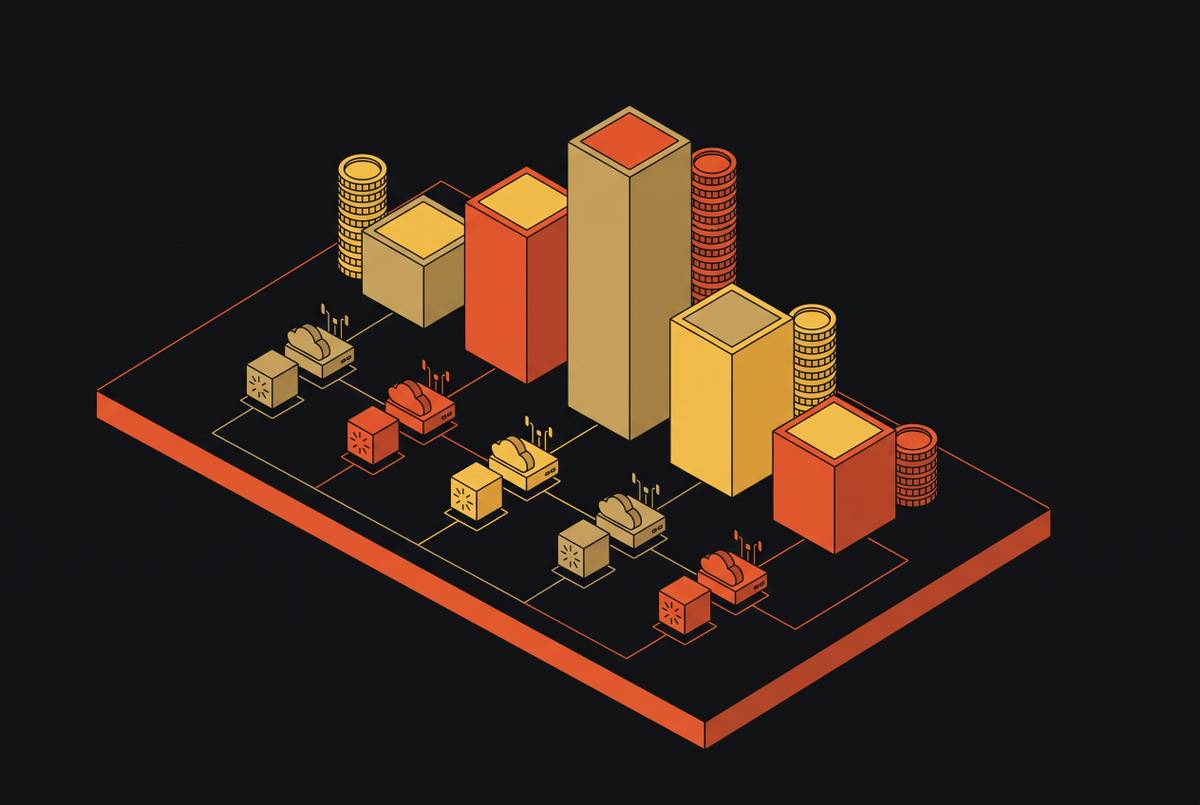
Engineering teams use an average of nine tools daily, so no single source captures all context switching or distinguishes work an agent completed from work it merely initiated. Seat counts cannot answer those questions. Task-level attribution must identify the source, agent, harness, model, and credential for each run so operational results remain useful to engineering leaders and auditable by security.
Agent throughput as a share of issue volume shows how much work the dispatch layer actually absorbs. Small issues, including sizes 1–3, provide a useful view of delegation where a policy is in place. Linear’s own data points to roughly a quarter to a third of issues authored by agents at the high end. Authorship must be read with outcome measures to establish what share of issues was resolved autonomously.
The pull request acceptance rate for each agent and harness shows which pairs yield code that can be merged for each task type. Teams can use that evidence to match harnesses to tasks without relying only on benchmarks. Manager time reclaimed from cycle reporting and pull request routing provides another operational measure, with documented gains running to several hours per week once those tasks are automated. Attribution completes the measurement framework. It supports cost allocation and lets security answer which agent run produced a change.
Engineers initiate work through familiar workflows, while instrumentation preserves the oversight that would otherwise depend on a platform engineer handling each request. Human review remains part of the process. Running Claude Code or another coding agent in the cloud becomes an organizational capability when execution, permissions, and outcomes are governed together.