Headless Claude Code and Cursor on Managed Cloud VMs Ranked by Trigger-to-PR Fidelity
Claude Code excels at preserving context across complex, multi-file tasks.
To run Claude Code in the cloud without having to manage infrastructure, use cloud sessions on Anthropic-managed infrastructure. For teams comparing headless Claude Code and Cursor on managed cloud VMs, the deciding factor is trigger-to-PR fidelity, or how completely the harness turns a signal into reviewable code. Claude Code is strongest at keeping context, while Cursor is strongest at receiving events and running work in parallel.
Why the bottleneck in headless agent runs is the harness, not the model
Headless execution removes the person who would otherwise approve tool calls, steer the work, or catch drift. The harness must manage those responsibilities automatically. A capable model cannot compensate for an execution path that never starts, lacks the required permissions, or fails to deliver its work. The relevant unit of comparison is therefore the whole run.
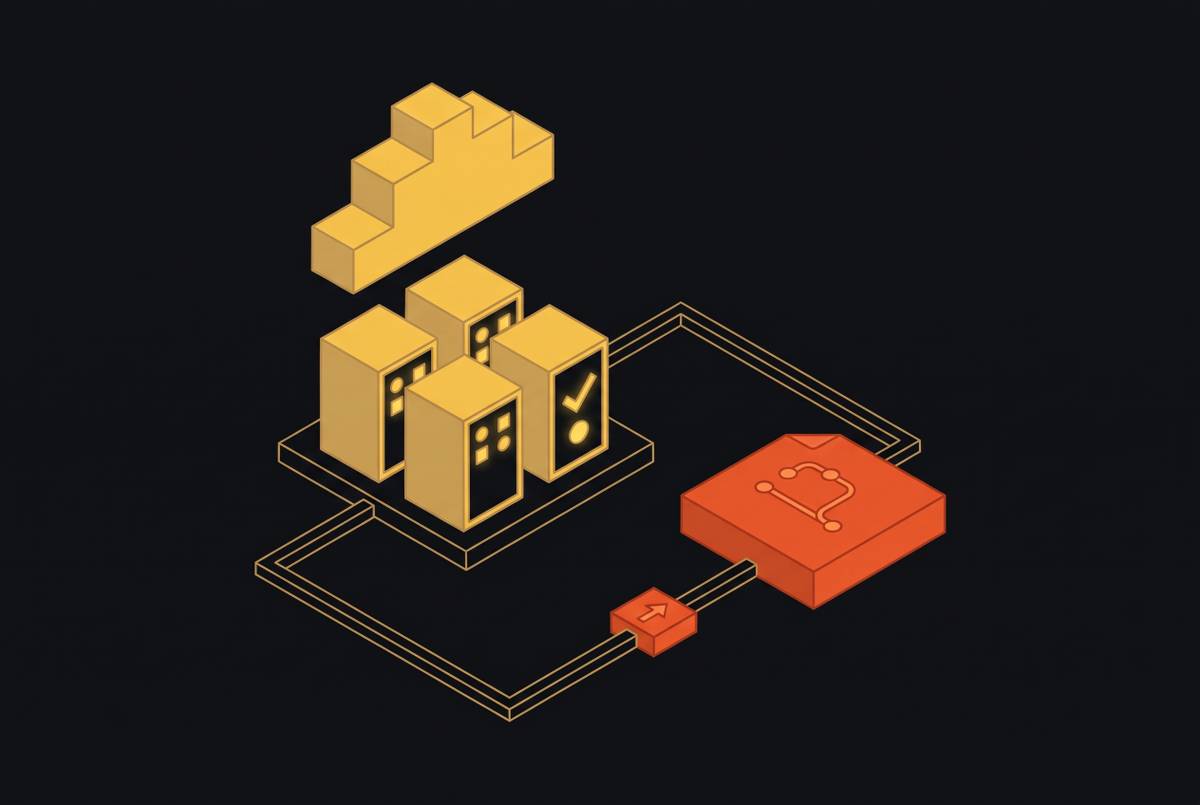
Claude Code’s headless entry point is claude -p, using the --print flag to run a single non-interactive turn, print output, and exit. That makes it usable inside CI/CD pipelines, cron jobs, and parallel agent fleets. Each invocation is a separate process with its own conversation directory. Cursor instead separates conversation state from machine state, while keeping its agent loop in Cursor’s cloud. Both paths can lead to committed code and an opened PR without human intervention, but their different architectures place responsibility for completing that path in different places.
What "trigger-to-PR fidelity" actually measures and why it is the right evaluation axis
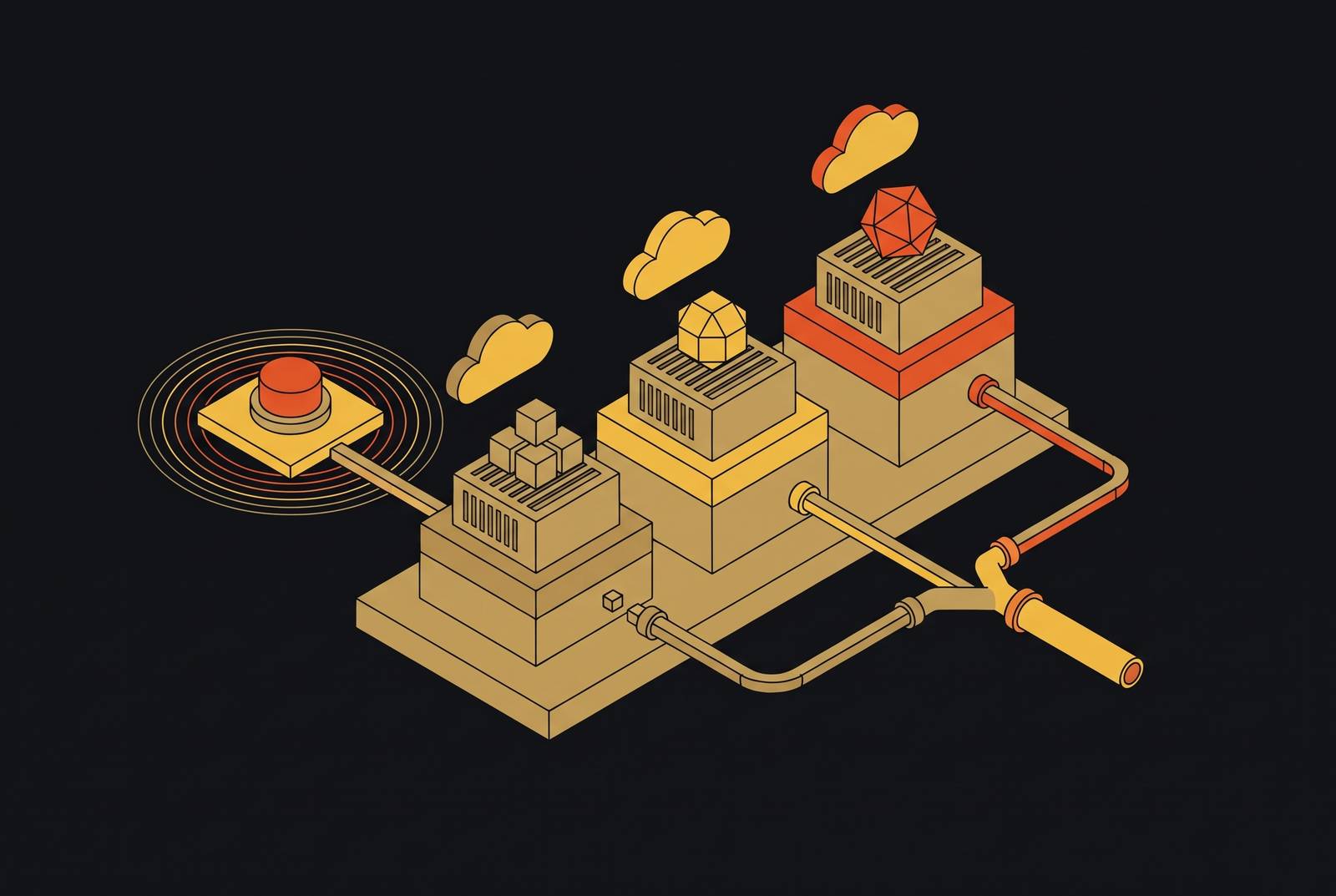
Trigger-to-PR fidelity measures the completeness with which a harness translates an incoming signal into a PR a human can review and merge. It follows five links, namely event reception, environment setup, task execution, output fidelity, and PR creation. Did the agent wake, receive the dependencies and credentials it needed, perform the right work, preserve context, and produce a reviewable artifact? Benchmark scores and cost-per-task alone do not answer that full question.
A small bug-fix timing test makes the distinction concrete. Timing a run from the prompt to an open PR includes work that a code-generation benchmark can leave outside its boundary. Yet elapsed time remains only part of the result. A harness that opens a PR without running tests, or loses context before finishing, has not completed the chain faithfully just because it produced a plausible edit.
How managed cloud VM infrastructure sets the floor for both harnesses
A misconfigured or under-resourced VM can defeat either harness before model capability becomes relevant. Dependencies, credentials, permissions, and tooling form the shared baseline. For headless Claude Code, the environment configuration includes --bare, --output-format json, an explicit --permission-mode, and a tight --allowedTools list. The process runs inside a non-root container, with ANTHROPIC_API_KEY passed at runtime. These controls define what the unattended process can do and how its output is returned.
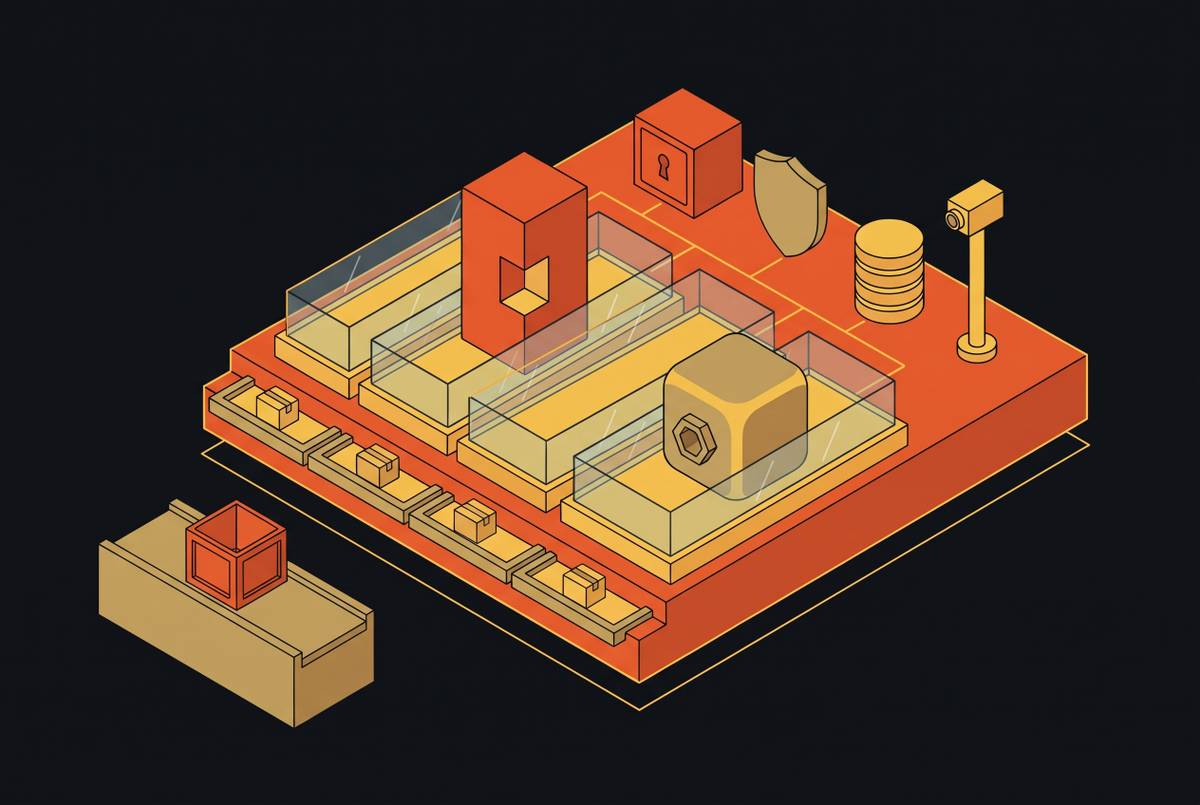
Claude Code’s cloud documentation says cloud sessions run on Anthropic-managed infrastructure by default, and Team and Enterprise organizations can send sessions to a self-hosted environment. Cursor has three places to run work, with managed Cloud Agents in isolated cloud VMs, My Machines on a single user’s machine, and a Team Pool of workers that the organization manages. The distinction is where tool calls execute. In each Cursor arrangement, the agent loop remains in Cursor’s cloud, and tool results travel there for the next inference step. Self-Hosted Machines therefore provide execution locality.
Cursor’s environment setup uses warm snapshots. Its upgraded layer caching rebuilds only changed Dockerfile layers, with setup times reduced by up to 10× compared with earlier benchmarks. Managed Cloud Agents support Privacy Mode and isolated VMs in Cursor’s AWS infrastructure, with secrets encrypted at rest and in transit and scoped as Environment Variables, Runtime Secrets, or Build Secrets. Every commit is signed with a hardware-protected Ed25519 key, while internet access is enabled by default but can be restricted through network access modes and allowlists at user, environment, or team level.
Where Claude Code's context handling widens the fidelity gap on complex tasks
Claude Code’s clearest context-preservation advantage is what happens when an MCP tool returns a large response. The harness saves the full output to a file and gives the model a stub pointing to that file. The model must then read it in chunks. Preservation keeps the evidence available for later use. An approach that truncates the middle instead removes information the model may need to connect an architectural constraint to a subsequent edit.
That distinction becomes more consequential as tasks span files and hours. Claude Code’s reading and planning help when a fix depends on how files relate to one another. Its compaction can keep architectural memory through a long session, and the goal keeper mechanism helps when overnight work risks drifting from its purpose. A one-line bug fix has less need to keep that context. A multi-file refactor can instead look finished while containing inconsistent decisions if the context connecting its parts has disappeared.
The tradeoff involves both runtime and token consumption. Token-use differences between harnesses are substantial enough to affect high-volume workloads, so context fidelity cannot be treated as a free benefit. Reading more files or planning before editing accounts for only part of that extra token use. The supplied evidence shows that system-prompt and tool-schema overhead accounts for much of Claude Code’s token use. Its preference for context-heavy tasks is therefore a quality judgment with a cost attached.
Where Cursor's event-driven architecture produces faster, more reliable trigger reception
Cursor places more of the trigger machinery inside the harness. Its cloud agents subscribe to signals such as a pull request, a Slack thread, or a cron schedule and wake without an external system invoking a CLI command. That removes a polling layer from reactive workflows. The architectural advantage concerns reception and orchestration, rather than a guarantee that every resulting edit is better. Claude Code can do work in the same workflows, but an external system must start its headless process.
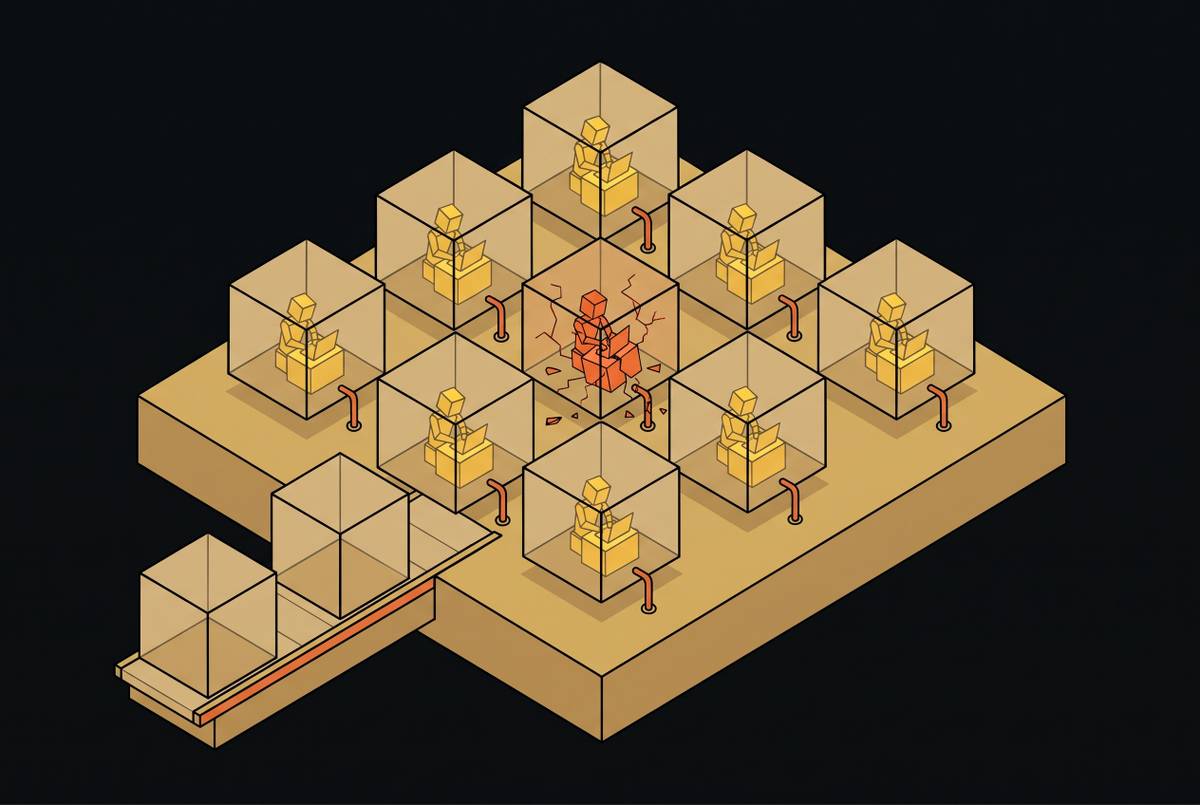
Cursor also isolates subagents on separate VMs so several can work in parallel without colliding. CLI-based Claude Code fleets require explicit workspace isolation to address that coordination problem. Cursor handles the separation at the infrastructure layer. Cursor Projects, introduced on September 10, 2026, combines subscriptions, subagent VMs, and shared context files into long-running coordinator workspaces.
Cursor’s documentation describes /autopilot, as of August 31, 2026, as allowing a cloud agent to keep iterating on a PR until it is closer to merge-ready. That extends automation beyond the initial artifact. It also reduces the need for a human to trigger each subsequent attempt. These mechanisms explain why Cursor’s strengths concentrate at the trigger and parallelism ends of the chain, even as continued iteration reaches toward review-readiness. They do not erase the separate question of how well a run preserves the information needed to make coherent changes.
How the fidelity gaps between harnesses map to specific task shapes
For a team choosing between the harnesses, the practical lesson is to rank them by task shape. Claude Code is the stronger fit for multi-file refactors where a missed relationship can break the PR. Long-running overnight batches also benefit from keeping context and using the goal keeper mechanism. Large tool outputs strengthen that preference further. Test results, dependency trees, and database schemas may contain details that must remain available in full.
Cursor is the stronger fit when the workload is reactive or highly parallel. PR comments, CI failures, and Slack signals align with event subscription, while isolated subagent VMs reduce the manual workspace coordination required by parallel CLI processes. Teams seeking durable execution across infrastructure disruptions also benefit from separating conversation state from machine state, reducing the need to manage supervisor processes themselves. These orchestration advantages increase in value when receiving and coordinating work is a larger source of failure than retaining a deep architectural context.
Cost cuts across both task categories. Teams running many agents daily should consider cost-per-task together with fidelity when selecting a harness. Teams can get the strengths of both by giving Claude Code context-heavy work and Cursor reactive and parallel workloads. The strongest objection is coordination overhead. Isolated VM environments that preload dependencies for either CLI address the environment portion of that objection without requiring every task to follow the same harness workflow.
Why PR volume rising faster than review capacity is the strongest objection to optimizing trigger-to-PR fidelity
Increasing the rate of completed agent runs can simply move the bottleneck to human review. An open PR is not merged value. If output volume rises faster than review capacity, faster trigger reception and execution can deepen the delivery queue. Most organizations still have no formal rules for required reviews, tool approval, or commit attribution, which makes that problem worse.
The objection changes what counts as a faithful result. A high-fidelity run produces a coherent diff, preserves the context behind its decisions, and runs tests so that the reviewer has less work to reconstruct. Minimal review effort means avoiding preventable investigation and rework caused by an incomplete execution chain while retaining human judgment. This is also why preserving context has operational value beyond the correctness of an individual edit, since internal consistency reduces the burden of establishing whether a PR can be merged.
Practitioners now treat rework hours per agent-merged PR and release-gate defect density as more defensible signals than PR cycle time alone. Cycle time can improve while reviewers absorb the work that automation failed to complete, making it an inadequate standalone measure. Otherwise, a harness that generates apparently complete change proposals can outrank one that produces changes requiring less repair.
What harness selection looks like in practice for a team moving to cloud agents at scale
A team moving to cloud agents should first map task classes to their trigger surfaces. Reactive work from PR comments, CI failures, and Slack signals fits an event-subscription harness because it reduces polling complexity. Context-heavy work can instead enter through a headless invocation when Claude Code’s preservation behavior is the stronger requirement. The choice need not become permanent lock-in. It is a decision about which execution path best fits the failure risks of a particular class of work.
The next decision concerns the environment that receives the task. The VM should have the team’s dependencies, credentials, and tooling ready before the agent starts, with credentials supplied through the appropriate runtime controls. Installing packages mid-task adds latency and introduces non-determinism into a run that should be repeatable. Managed infrastructure removes the need to operate the machines, but not the need to define the environment. Keeping that setup the same also makes it easier to tell whether differences come from the harnesses or from the setup.
Finally, every run should produce attribution data that shows which harness, model, and credential produced its output. Without that record, a team cannot tell whether an apparent fidelity gain follows from harness selection or is coincidental. With rework and defect signals, that attribution data lets the team check how well its task assignments work by looking at which changes reach merge-readiness. The resulting selection remains open to revision as the workload changes, rather than turning an initial product choice into a constraint on every future run.