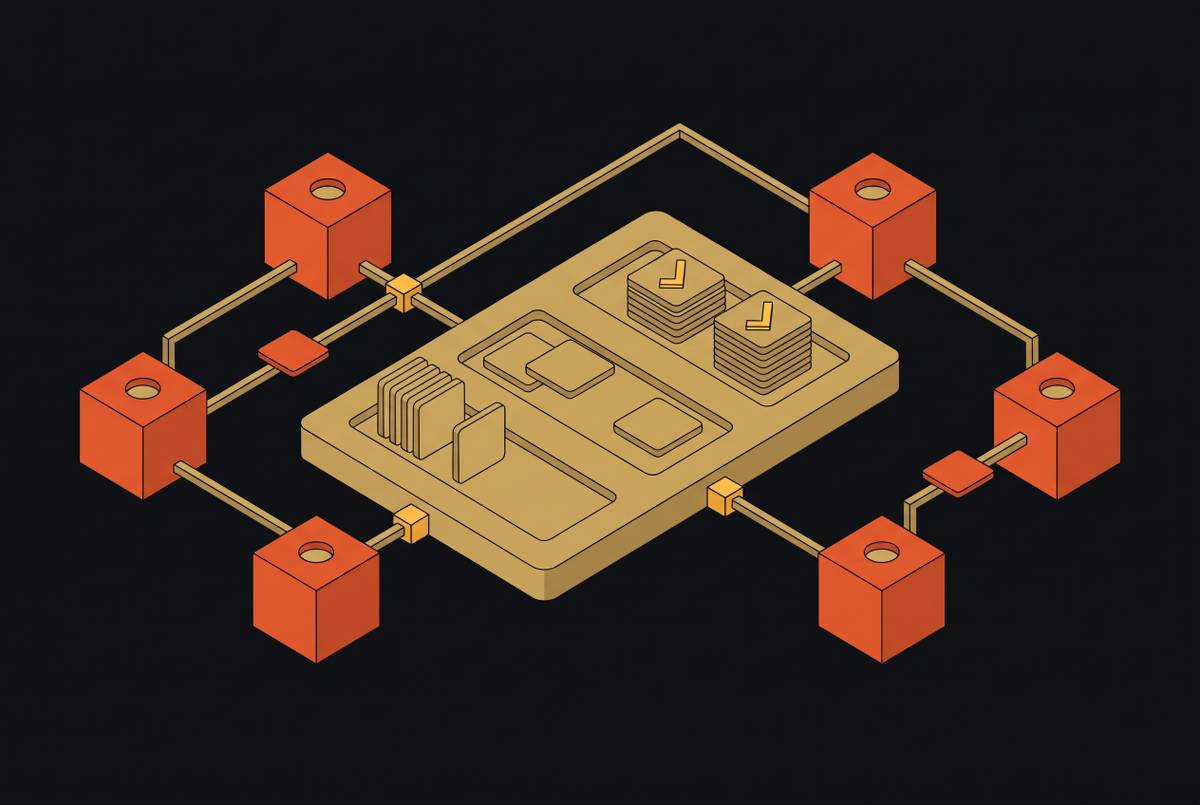
Triggering Coding Agents From Slack for Engineering Teams
Slack Code channels create a controlled space where teams can supervise agents from start to merge.
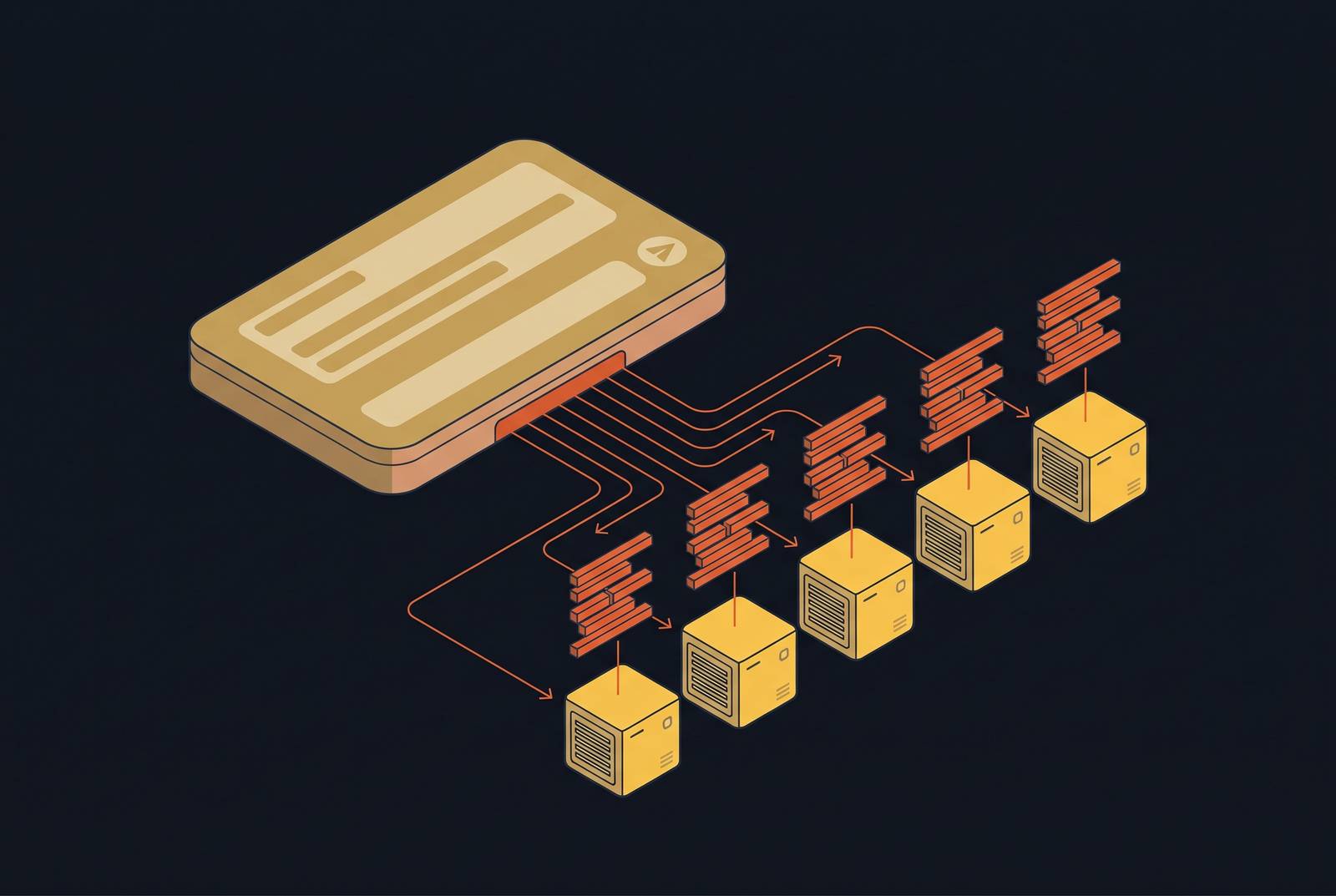
Triggering coding agents from Slack for engineering teams requires a connected workflow. Slack Code has channels scoped to each task where teams can dispatch agents and review their work, while a linked Linear issue gives the agent context and a draft GitHub pull request holds the work. Reliable operation depends on isolated execution environments, explicit human ownership, and measurement that connects each trigger to shipped code.
Why triggering a coding agent from Slack is harder than tagging a bot
An engineer tags an agent in a channel, describes a bug, and gets no useful follow-through. Or a pull request appears, but nobody owns its review. The gesture was simple. The handoffs were not. Task capture, environment setup, agent dispatch, code delivery, review, and merge form a pipeline with at least five distinct failure points. A request can lose context it needs before coding starts or reach the review queue without an engineer assigned to it.
A Slack message can start work, but on its own it cannot set repository access, prepare dependencies, or decide who can approve the work. Treating the integration as “just a bot” leaves those decisions implicit. Each stage needs a deliberate design, with Slack serving as the coordination infrastructure.
The infrastructure Slack built to make agent dispatch possible
Anthropic’s Claude integration introduced a research preview on December 8, 2025, allowing developers to delegate tasks from Slack threads to Claude Code. Bug reports and feature requests could supply context for coding sessions. Slack then released its Model Context Protocol server and Real-time Search API on February 17, 2026, giving third-party agents secure, governed access to workspace channels, messages, and files. Context access became a platform capability.
Tool invocation added the next layer of capability. Salesforce made the Slackbot MCP Client generally available on June 17, 2026, through its Headless 360 expansion, connecting Slackbot to more than 20 partner applications. Slack introduced the client on June 18, 2026, describing how developers could connect MCP servers directly to Slackbot for tool discovery and invocation in conversation.
Slack Code launched on August 20, 2026, adding dedicated code channels where agent work could be inspected, redirected, and audited. Governed context access supplied the information, tool invocation enabled outside actions, and collaborative review gave teams a place to supervise the result.
How Slack Code channels work as a unit of triggered agent work
Tagging a supported coding agent in any Slack conversation creates a project-specific code channel scoped to the task. That channel becomes the unit of work. Slack Code is available on any Slack plan, while access to each partner agent is purchased separately from its vendor.
The channel organizes execution through four dedicated tabs. Conversation holds the running dialogue between people and the agent. Plan shows an automatically generated task breakdown so the team can see the proposed approach before coding begins. Code diffs shows old lines struck through and new lines beside them, open to the whole channel. Live preview runs real HTML output so the team can catch breaks before the pull request.
Team members can comment to correct, redirect, or approve decisions, and the agent incorporates that feedback in-flight. Anyone in the channel can pause, redirect, or stop it. For high-stakes actions such as merging to production, the agent packages its work and waits for explicit sign-off from a designated reviewer inside the channel. When the task completes, the channel archives automatically, preserving every plan, diff, and comment as a searchable audit log.
Which agents Slack Code supports and how to choose between them for a given task
Slack Code’s launch agents included Anthropic’s Claude Code, Cognition’s Devin, GitHub Copilot, and Vercel’s agent. OpenAI’s ChatGPT was also included as a founding partner. Task fit determines the useful choice. With a shared Slack interface, each channel can use a different agent without tying the team to one agent’s ecosystem.
Claude Code specializes in long-horizon coding and code review in terminal and IDE environments, so it is a good fit for complex, multi-file changes and MCP-heavy workflows. Devin is designed for end-to-end engineering from specification to deployment, with greater tolerance for asynchronous, low-supervision delegation. Copilot fits tasks where repository history and existing code patterns provide the main input. Vercel’s agent provides the frontend routing option.
For teams needing agents outside that partner set, OpenCode offers an open-source CLI harness with support for a wide range of model providers. It uses AGENTS.md for project context and can be wired into a team-controlled Slack-to-agent pipeline as a custom integration. With a harness-agnostic design, teams can use better models without rebuilding the workflow around them.
How to connect Slack triggers to Linear issues and GitHub pull requests
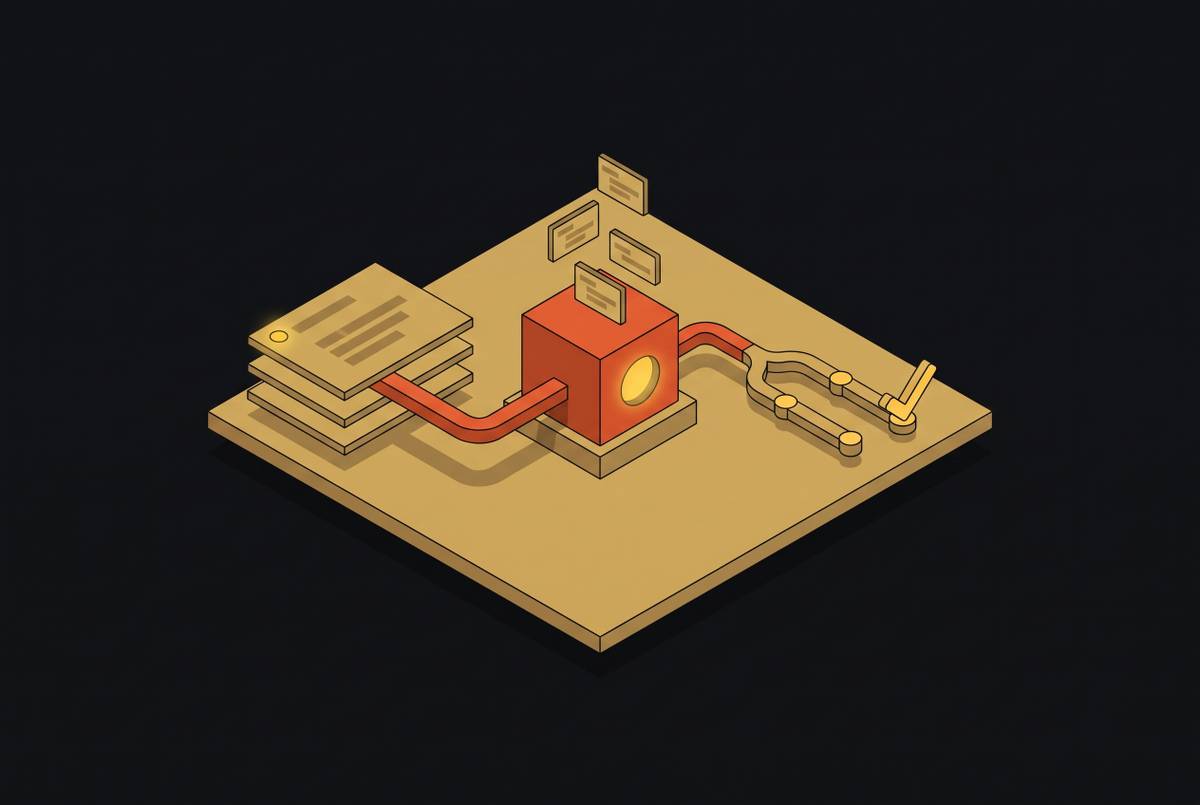
The practical Linear and Slack integration for autonomous coding agents connects a message, a code channel, an issue, and a draft pull request. The agent reads the linked Linear issue or GitHub context, works in a sandboxed environment, and opens the draft PR. Human approval in the channel precedes merge. The draft goes into the normal review queue, so work started in Slack still gets repository review.
As of October 2026, Linear supports five routes from an issue to coding work. Teams can open an issue directly in a coding tool or give an agent read/write access through a hosted MCP server. They can delegate to a cloud agent from Linear’s agent directory or to Linear itself. For the fifth route, teams can use a label-driven harness on infrastructure they control.
Since June 2026, teams have been able to use Linear Agent for coding sessions linked to issues, with Claude Code or Codex running in a managed sandbox. It reads the issue and discussion, investigates the codebase, proposes an approach, writes code, and drafts a PR. Teams can choose the model, use a custom repository agent, set base and working branches, and redirect execution through a comment mention. Sessions draw from prepaid workspace AI credits, with model tokens billed at provider published rates without markup and sandbox runtime charged per 20-minute block.
The GitHub Actions connection also requires security planning. Because that event runs with secrets in the base repository’s context, teams connecting Slack triggers to Actions pipelines need to account for the rule before that date.
Why the environment the agent runs in determines whether the output is trustworthy
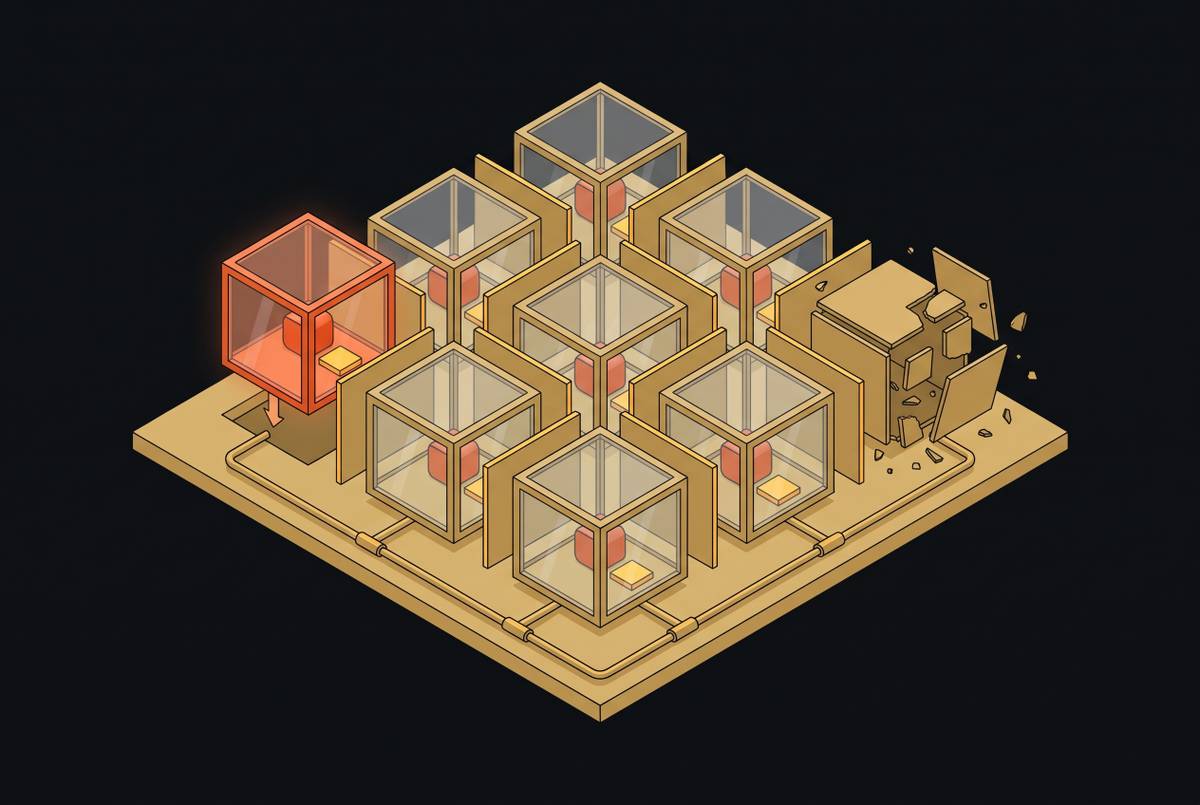
Claude Code’s sandbox is opt-in, and most deployments run completely unsandboxed, including the majority of CI/CD integrations. The architectural requirement is to separate the model client, which holds the API key, from the tools it invokes. Shell commands, tests, file edits, and package operations should run inside a locked-down container or VM that has no secrets and limits network access.
Defaults vary substantially across coding tools. Codex CLI enables built-in Landlock and seccomp sandboxing on Linux by default. Cursor has enabled OS-level sandboxing by default since v3.6 and uses isolated VMs for cloud agents, while Windsurf has no built-in OS-level sandboxing. Kiro Web runs tasks in cloud sandboxes by default, but Kiro IDE/CLI local containment is OS-level and is off by default. Product selection alone is not an environment policy.
Isolation also supports reproducible work by giving the agent a preconfigured environment with the dependencies and tooling needed to install packages, run services, drive a browser, and verify changes under repeatable conditions. Daytona uses snapshots for reusable, preconfigured environments and offers full-VM and Docker-based options, including Windows and GPU sandboxes. Managed provisioning makes the requirement achievable without building every component internally. Replicas, a cloud platform that runs coding agents inside isolated Linux VMs pre-loaded with a team's dependencies and tooling, is one option in that category, triggering agent tasks from Slack, Linear, or GitHub and returning the work as a pull request for human review.
Governing who can trigger agents, in which channels, and at what scope
Slack’s demo scenario includes a product manager tagging an agent to fix a bug report. That expands who can initiate engineering work. It also exposes a specific risk, because a task described without engineering context can produce technically valid but architecturally wrong code that passes a quick channel review. A production approval gate stops the merge after effort has already been spent on a poorly scoped task.
Teams therefore need rollout decisions beyond the merge gate. Those decisions cover which members or roles may tag agents in which channels, and which repositories and branches agents may write to. They also define high-stakes actions beyond production merges, including schema migrations, dependency upgrades, and authentication changes. A named reviewer and a minimum review standard establish what approval means. A thumbs-up in a busy channel is insufficient.
Slack Code inherits existing workspace permissions and admin controls, so IT provisions no new identities. Those controls still need to match the limits set for each task. The Agents tab lists agents and sessions across the workspace, flags blocked threads, and has a kill switch so teams can stop the work. The archived channel supplies the governance record, including who approved what. Teams that must meet regulatory or code-review rules should use that history as a compliance record as well as a transcript they can easily look up.
Measuring whether Slack-triggered agent work is actually shipping value
METR’s 2025 randomized trial found that experienced developers took longer with AI while believing they were faster. Swarmia found that median batch size, measured as lines changed per PR, roughly doubled between Q1 2025 and Q1 2026 in a large sample of engineering organizations. Larger batches make PR counts and story points unreliable throughput proxies. Perceived speed and visible activity can diverge from delivery.
Agents merge more PRs, but review time has risen sharply, and agent-generated code has a higher defect rate that later becomes rework. The ratio of review time to coding time reveals how adoption changes the shape of engineering work. DORA’s four keys measure deployment frequency, lead time for changes, change failure rate, and time to restore. DX Core 4 supplements those measures with Speed, Effectiveness, Quality, and Impact.
Amazon CloudWatch coding agent insights launched on July 20, 2026, collecting OpenTelemetry telemetry from agents including Claude Code, Codex, and Copilot. It presents token spend beside operational data, correlates adoption with commit and PR velocity, and identifies models with better cost-to-output ratios. Those correlations need quality measures to distinguish activity from useful delivery. Attribution closes the measurement loop by connecting an agent run to its source, harness, model, and credential, then tracing the Slack trigger through a merged PR to a production change.
Putting the full Slack-to-PR loop into a repeatable team workflow
The operating model begins with explicitly owned handoffs. For teams implementing it, the first step is to define permitted trigger channels and roles, then link each request to a Linear or GitHub issue so dispatch starts with structured context. Agent routing should follow the task classes already described. The execution stage then needs an isolated VM preloaded with team dependencies, without relying on opt-in sandboxing to establish the boundary.
Delivery should produce a draft pull request with a named reviewer. The code channel’s history provides context for that review, while the human sign-off gate controls high-stakes actions. Teams should check defects alongside velocity so they can see when faster drafting leads to more repair work later. Measurement ownership should include DORA’s four keys, DX Core 4, and run-level attribution. Teams can use that evidence to send future tasks to agents that shipped working code.
The configuration cannot remain a one-time rollout decision. Teams use measurement to choose agents, set up the environment to suit those choices, and decide which tasks are safe to start in that environment without an engineer overseeing them. As those boundaries change, the permitted Slack triggers can change with them.